Designed and shipped AskNicely coaching feature that enables frontline managers to track team performance, coach staff, and support professional growth turning customer feedback into actionable performance insights.
Company
AskNicely
Timeline
2021
—
2022
Role
Lead Product Designer

Problem & Opportunity
The Challenge
AskNicely’s core platform excelled at collecting customer feedback but lacked dedicated tools for managers to act on insights (e.g., tracking performance and coaching frontline staff).
Managers needed a way to keep notes, assign tasks, and monitor team performance all within the AskNicely experience.
Opportunity
Empowered managers to translate feedback into action within the product, streamlining workflows and improving frontline performance.
Leadership & Strategy
Stakeholder Alignment & Discovery
Worked with product and engineering to scope feasible increments in a startup phase environment by balancing technical debt (desktop performance) with strategic feature goals.
Improved design-engineer collaboration with weekly check-ins to remove blockers and align on delivery expectations.
User-Centred Research
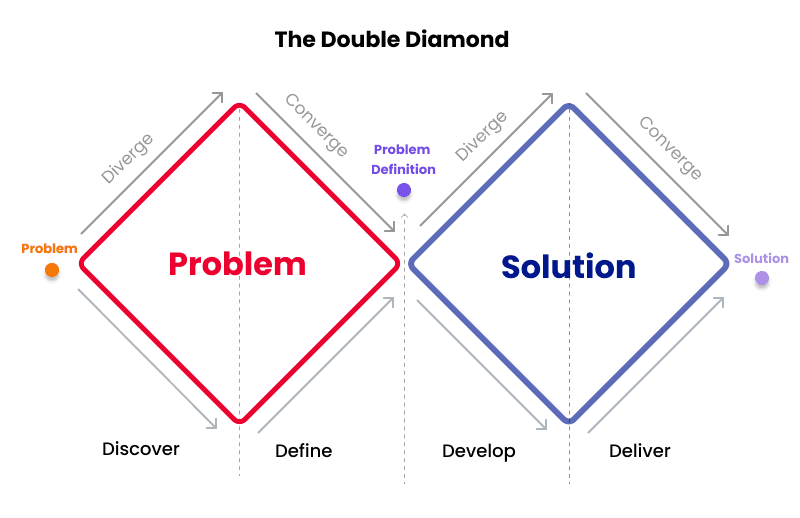
Conducted 12 qualitative research sessions with frontline managers to understand existing pain points, workflows, and opportunities for in-product coaching support.
Identified critical manager needs: easy access to team performance views, ability to add notes and tasks, and desire for faster desktop experiences.
Iterative Prototyping & Testing
Designed mid- to high-fidelity UI explorations addressing identified manager workflows.
Ran 12 usability sessions with the same frontline managers to verify intuitive use and value.
Design System Contribution
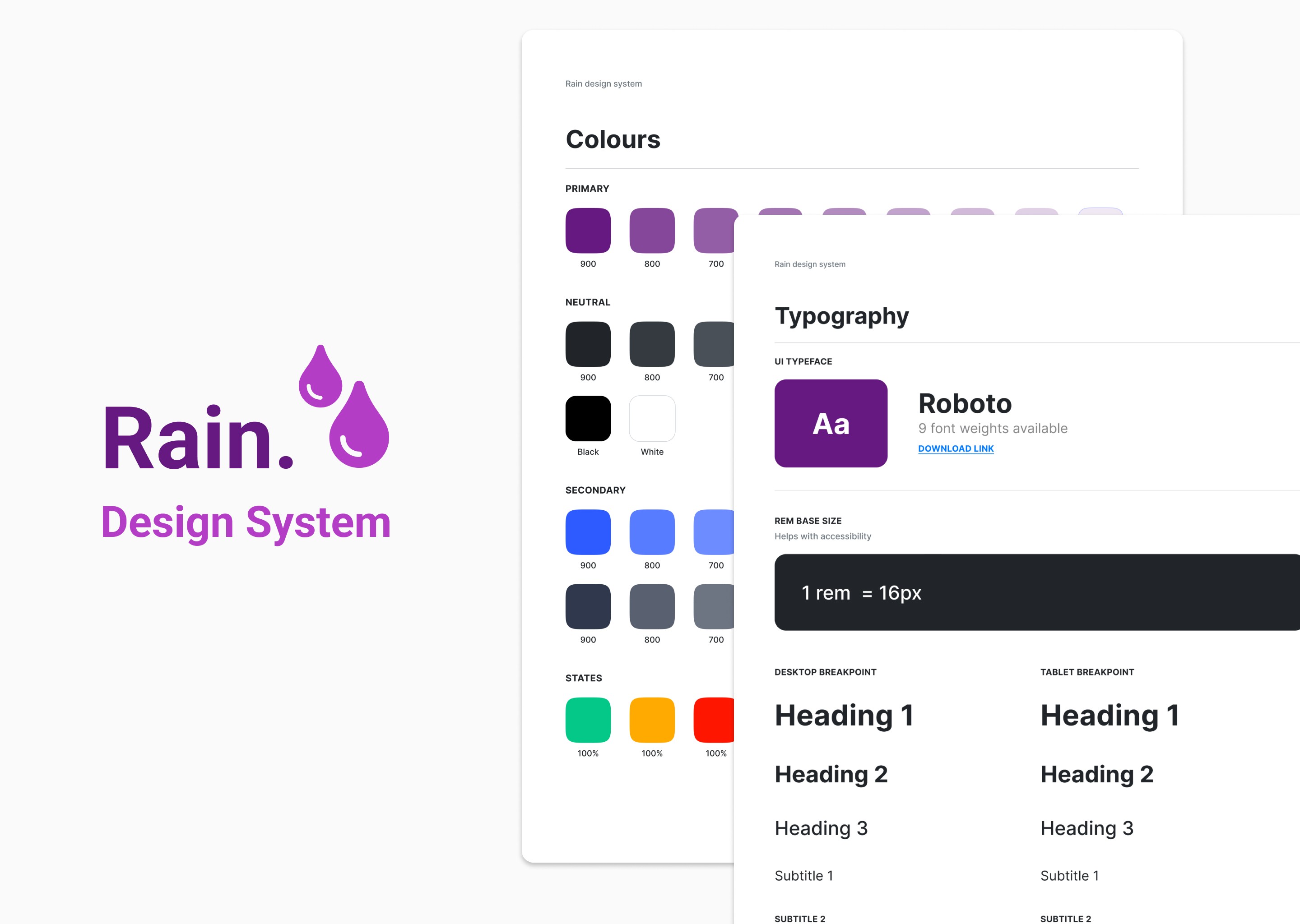
Improved the RAIN design system by standardising Figma frame usage, auto layout, and component properties, increasing scalability and UI consistency across features.

Key UX Solutions
Enhancements Included
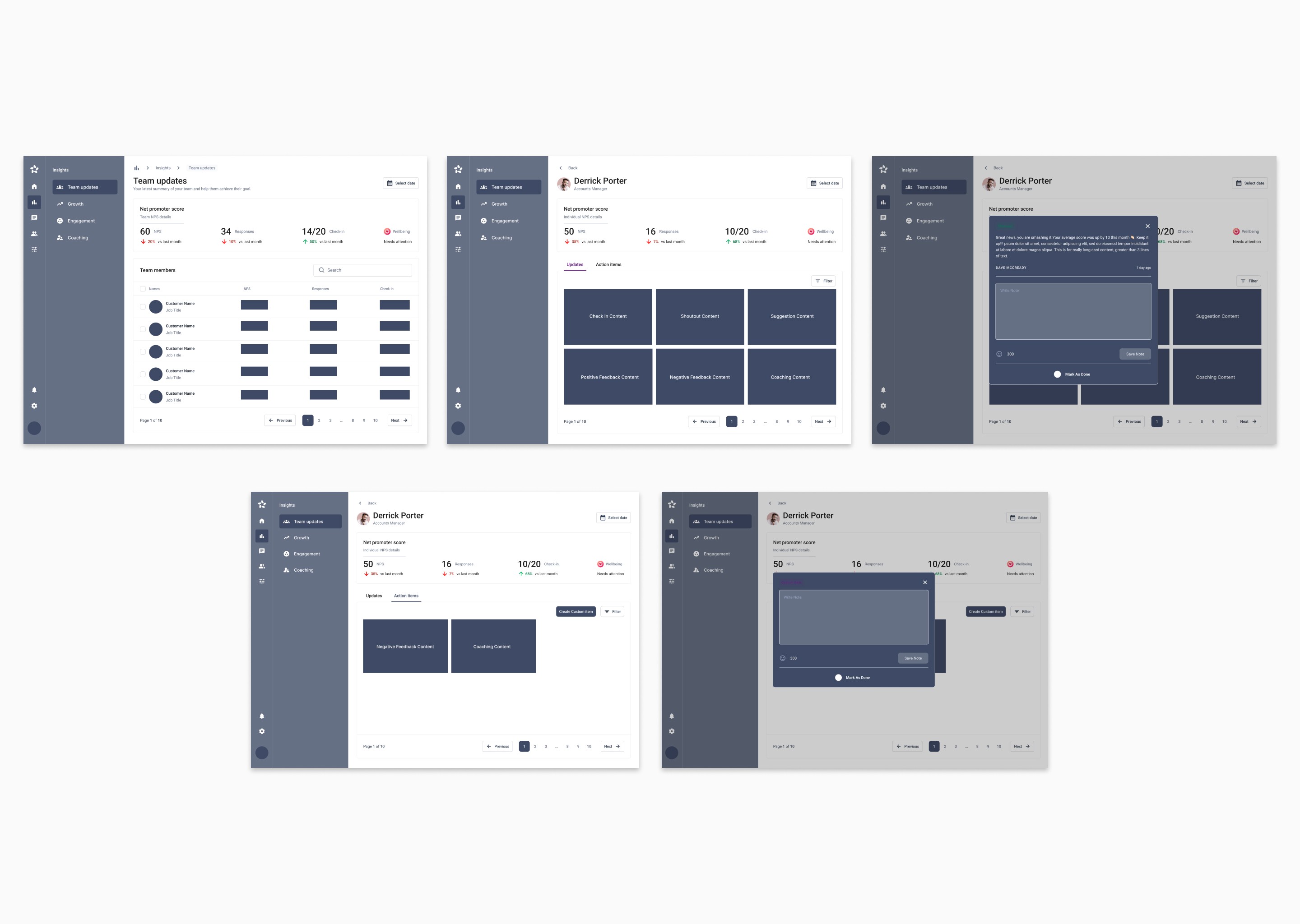
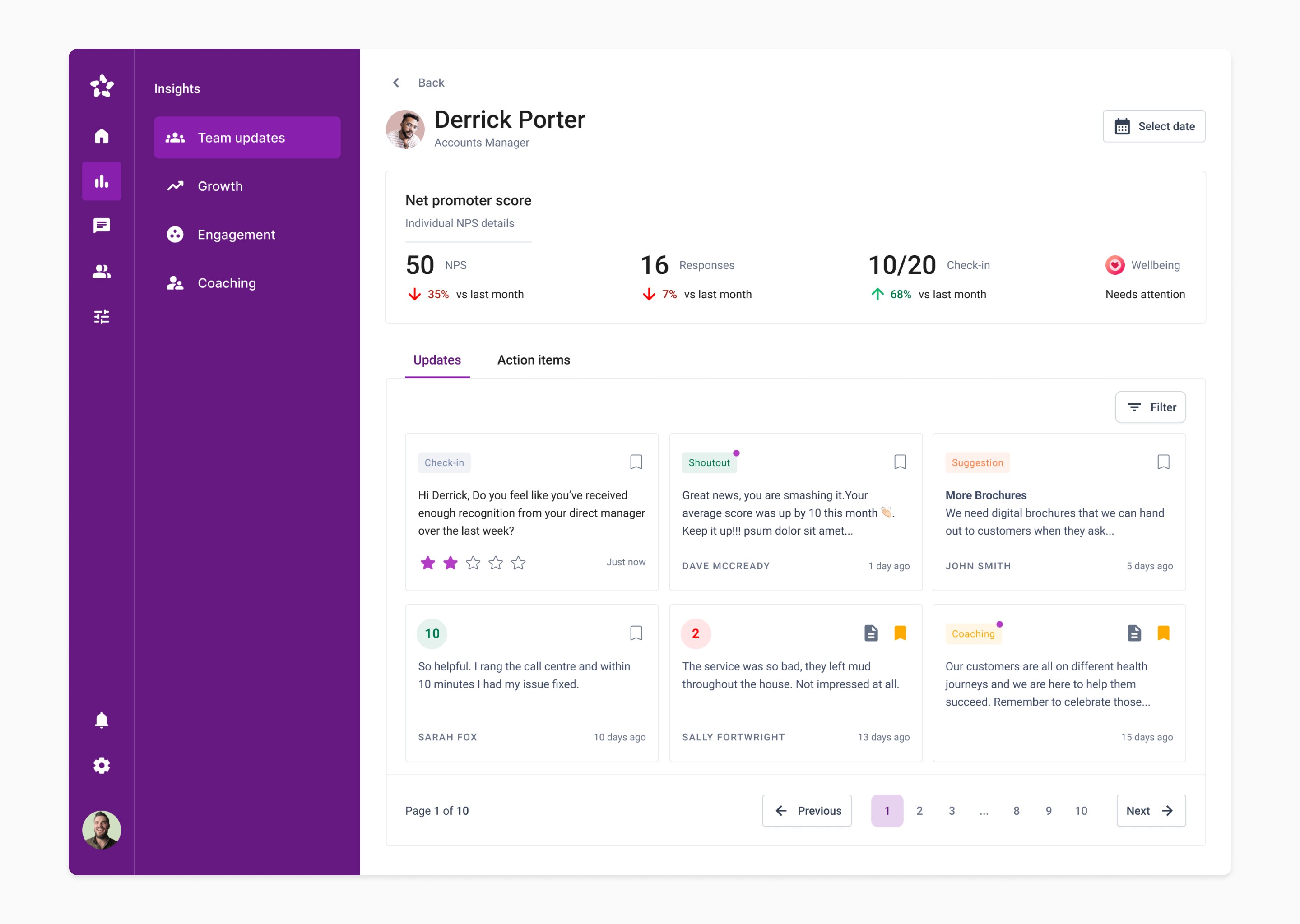
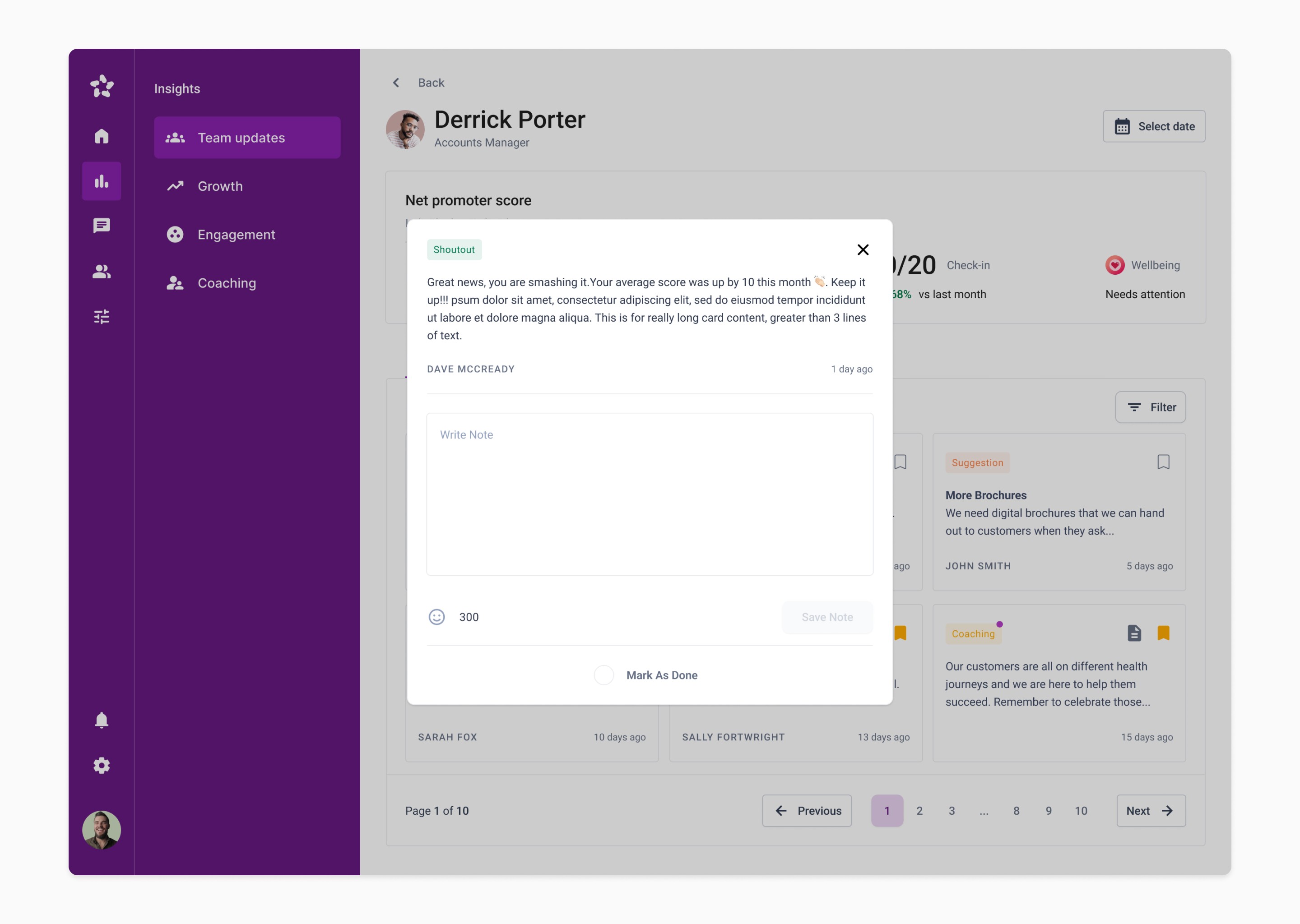
Team Updates section showing high-level and individual performance metrics.
Manager-focused workflows with the ability to:
Observe feedback trends at a glance
Drill into individual worker scores
Add notes and assign coaching tasks
Designed desktop-first interactions in response to real work environments.
Outcomes
Impact
User validation showed strong impact, with usability testing indicating high satisfaction among frontline managers and improved engagement with performance insights, while positive qualitative feedback and NPS responses reinforced the value of the coaching feature and its alignment with AskNicely’s mission; in parallel, design system improvements reduced rework and enabled more consistent UI patterns to support future product expansion.


Reflection & What’s Next
What I learned
This work demonstrated that embedding design thinking early drives stronger cross-functional alignment and faster delivery of high-impact outcomes, while continuous user engagement ensured the solution directly supported real frontline workflows; next, the focus is on optimising the Coaching and Team Updates experience through analytics and feedback, and scaling mentoring insights into contextual in-app nudges that measurably improve frontline performance.


Designed and shipped AskNicely coaching feature that enables frontline managers to track team performance, coach staff, and support professional growth turning customer feedback into actionable performance insights.
Company
AskNicely
Timeline
2021
—
2022
Role
Lead Product Designer
Problem & Opportunity
The Challenge
AskNicely’s core platform excelled at collecting customer feedback but lacked dedicated tools for managers to act on insights (e.g., tracking performance and coaching frontline staff).
Managers needed a way to keep notes, assign tasks, and monitor team performance all within the AskNicely experience.
Opportunity
Empowered managers to translate feedback into action within the product, streamlining workflows and improving frontline performance.
Leadership & Strategy
Stakeholder Alignment & Discovery
Worked with product and engineering to scope feasible increments in a startup phase environment by balancing technical debt (desktop performance) with strategic feature goals.
Improved design-engineer collaboration with weekly check-ins to remove blockers and align on delivery expectations.
User-Centred Research
Conducted 12 qualitative research sessions with frontline managers to understand existing pain points, workflows, and opportunities for in-product coaching support.
Identified critical manager needs: easy access to team performance views, ability to add notes and tasks, and desire for faster desktop experiences.
Iterative Prototyping & Testing
Designed mid- to high-fidelity UI explorations addressing identified manager workflows.
Ran 12 usability sessions with the same frontline managers to verify intuitive use and value.
Design System Contribution
Improved the RAIN design system by standardising Figma frame usage, auto layout, and component properties, increasing scalability and UI consistency across features.
Key UX Solutions
Enhancements Included
Team Updates section showing high-level and individual performance metrics.
Manager-focused workflows with the ability to:
Observe feedback trends at a glance
Drill into individual worker scores
Add notes and assign coaching tasks
Designed desktop-first interactions in response to real work environments.
Outcomes
Impact
User validation showed strong impact, with usability testing indicating high satisfaction among frontline managers and improved engagement with performance insights, while positive qualitative feedback and NPS responses reinforced the value of the coaching feature and its alignment with AskNicely’s mission; in parallel, design system improvements reduced rework and enabled more consistent UI patterns to support future product expansion.
Reflection & What’s Next
What I learned
This work demonstrated that embedding design thinking early drives stronger cross-functional alignment and faster delivery of high-impact outcomes, while continuous user engagement ensured the solution directly supported real frontline workflows; next, the focus is on optimising the Coaching and Team Updates experience through analytics and feedback, and scaling mentoring insights into contextual in-app nudges that measurably improve frontline performance.