Reduce customer support volume by enabling self-service through the launch of Bill Estimation and Bill Inquiry features.
Company
Contact Energy
Timeline
2022
—
2023
Role
Lead UX Designer

Problem & Opportunity
The Challenge
High inbound call volume for billing inquiries, long wait times and expensive support overhead.
No intuitive way for customers to estimate upcoming bills or submit queries within the app.
Opportunity
Improve digital satisfaction and reduce phone support by enabling self-service clarity around energy usage and billing.
Leadership & Strategy
Stakeholder Alignment & Discovery
Built trust and collaboration across Product, Sales, Leadership, and Customer Support
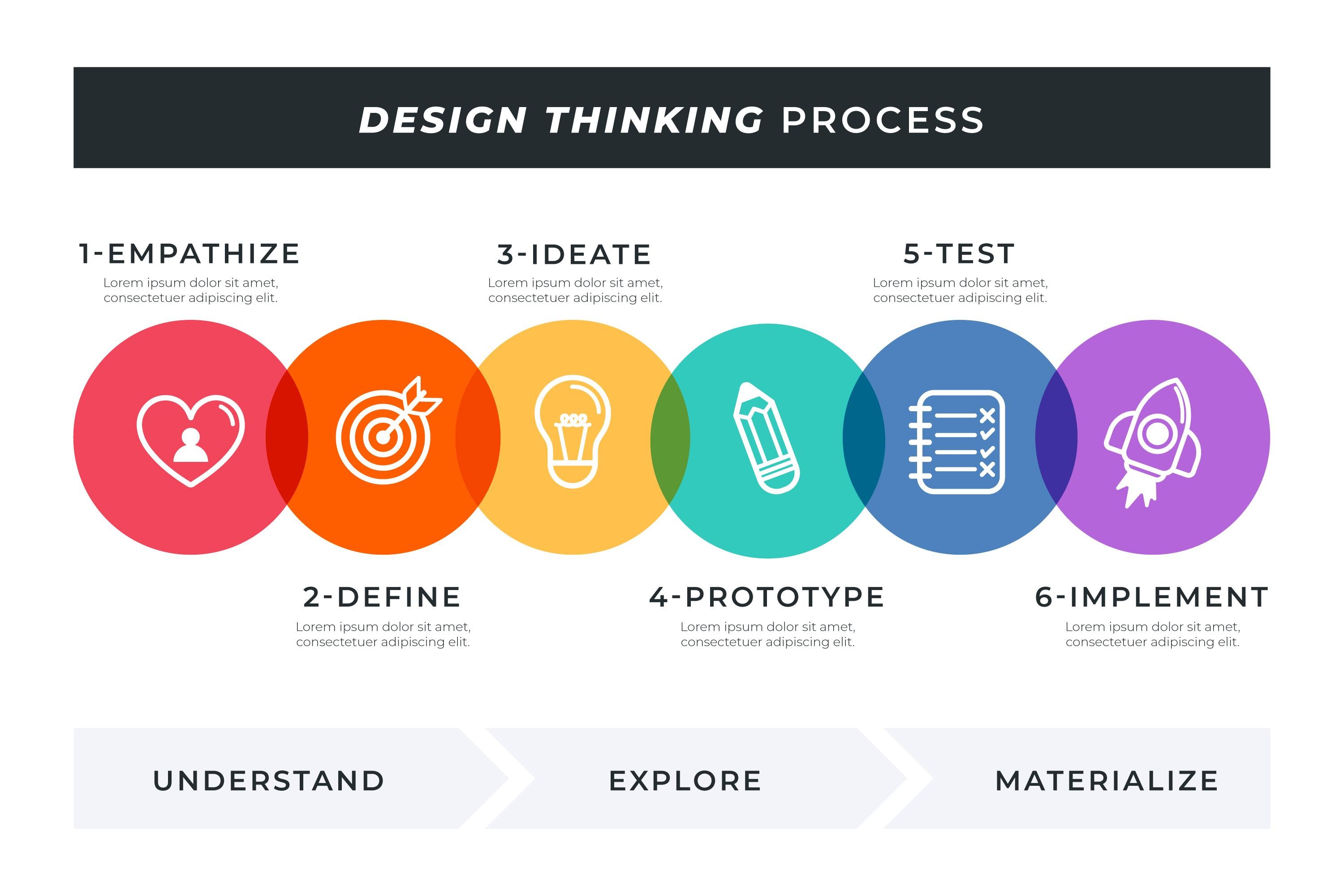
Shifted design practice from feature delivery to problem-driven thinking focused on real customer impact.
Advocated early research and iterative testing to influence product priorities.
User-Centred Research
Conducted 20 qualitative user interviews: 10 on billing pain points and 10 on bill estimation value.
Insights revealed strong mobile usage (95% preferring the app) and reliance on spreadsheets or calls due to lack of in-app tools.
Iterative Prototyping & Testing
Worked closely with product owners and engineers to prioritise solutions.
Ran 20 usability tests including card sorting and first-click testing using Optimal Workshop.
Refined designs based on actual usage patterns and preferences.
Design System Contribution
Improved design system usage and documentation for consistency across experiences.
Partnered with engineering early to de-risk feasibility and accelerate delivery.
Key UX Solutions
Enhancements Included
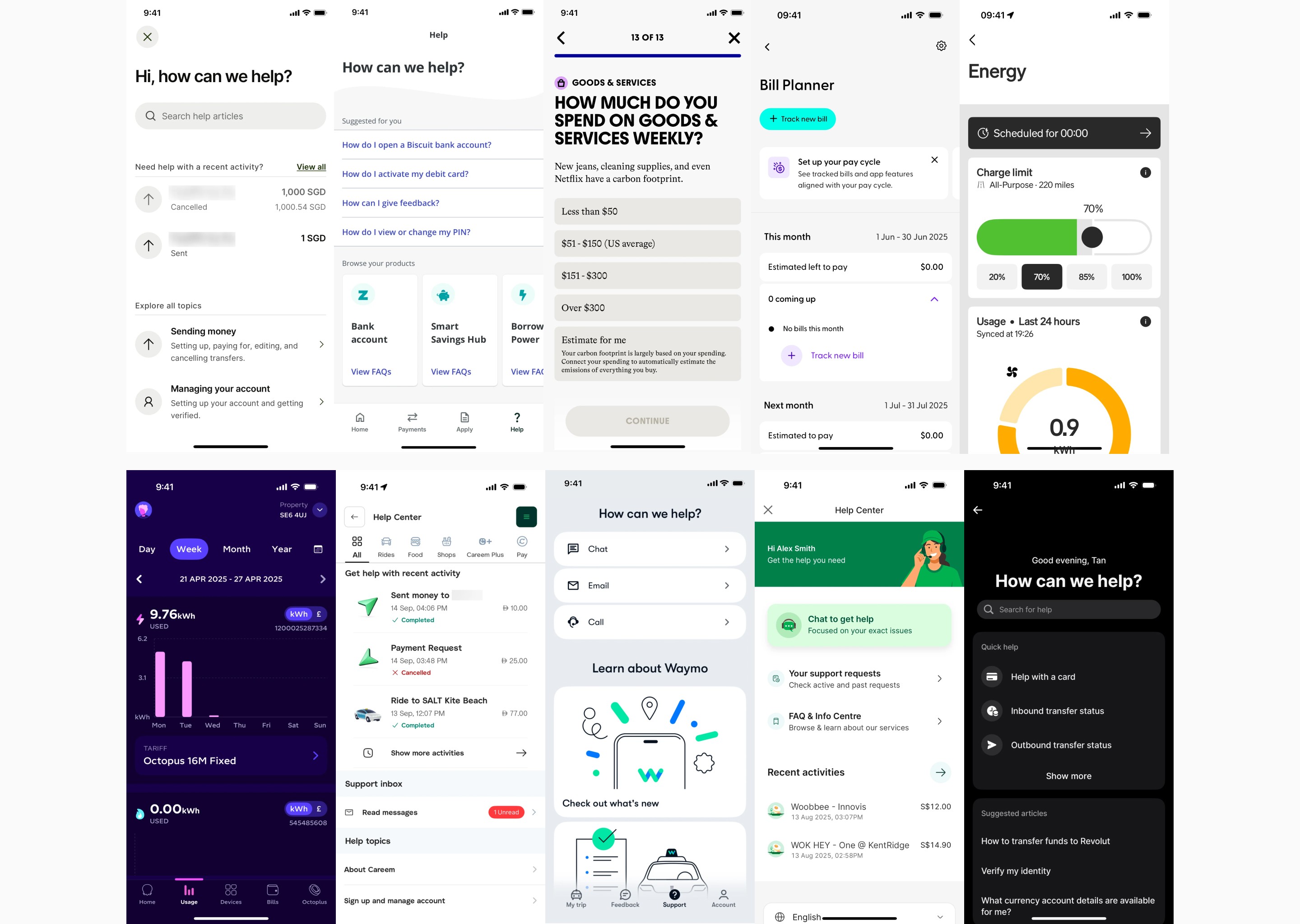
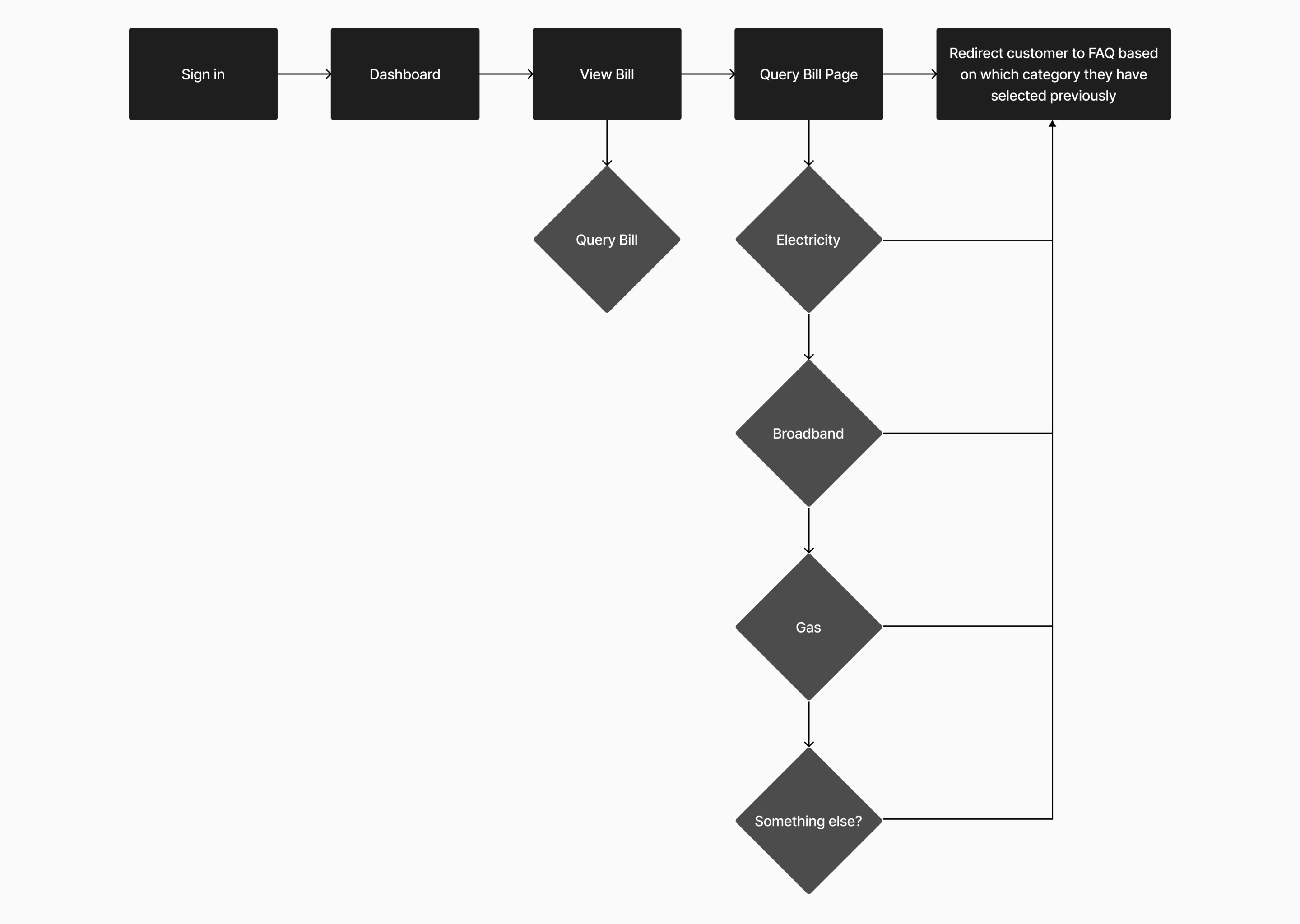
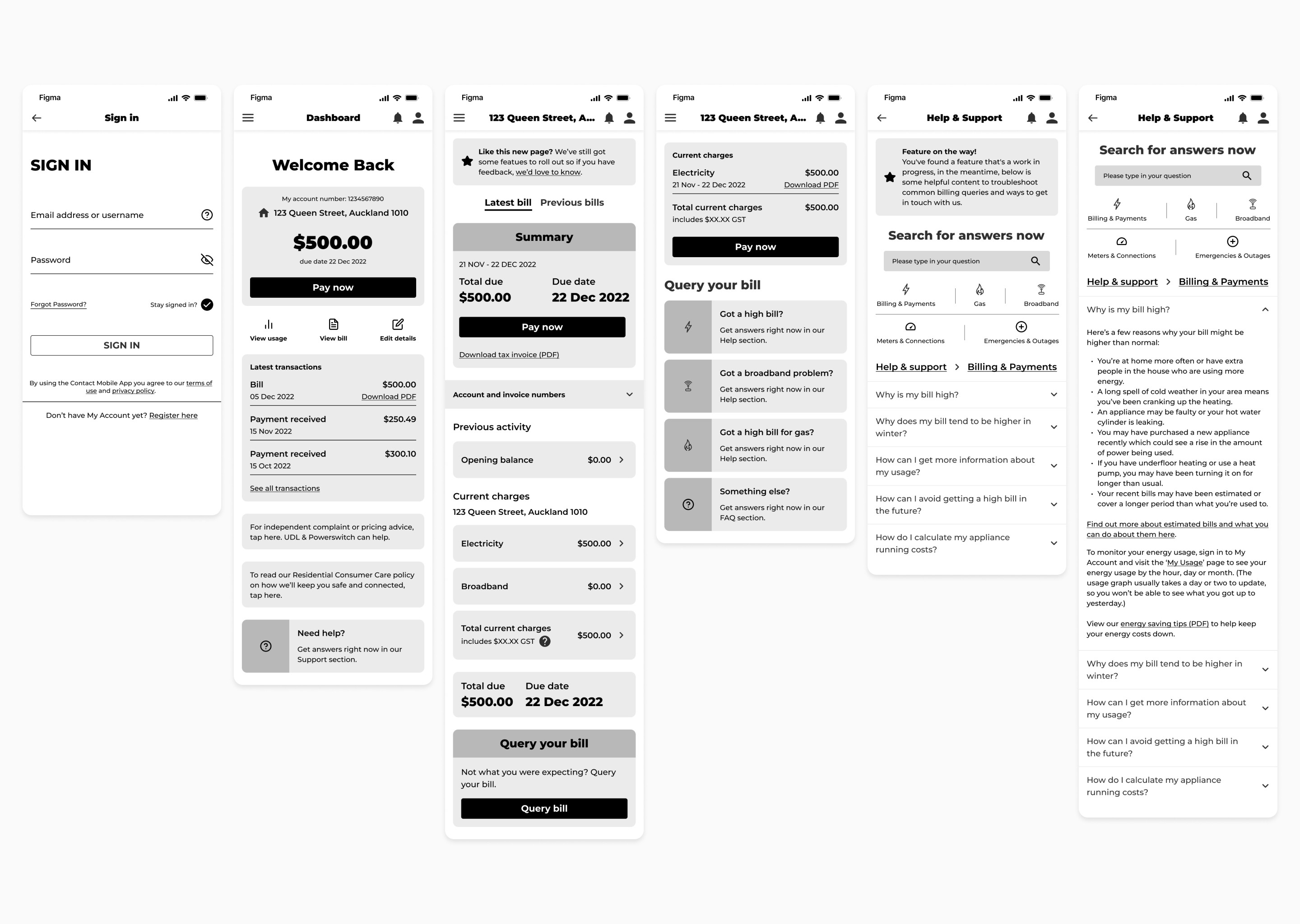
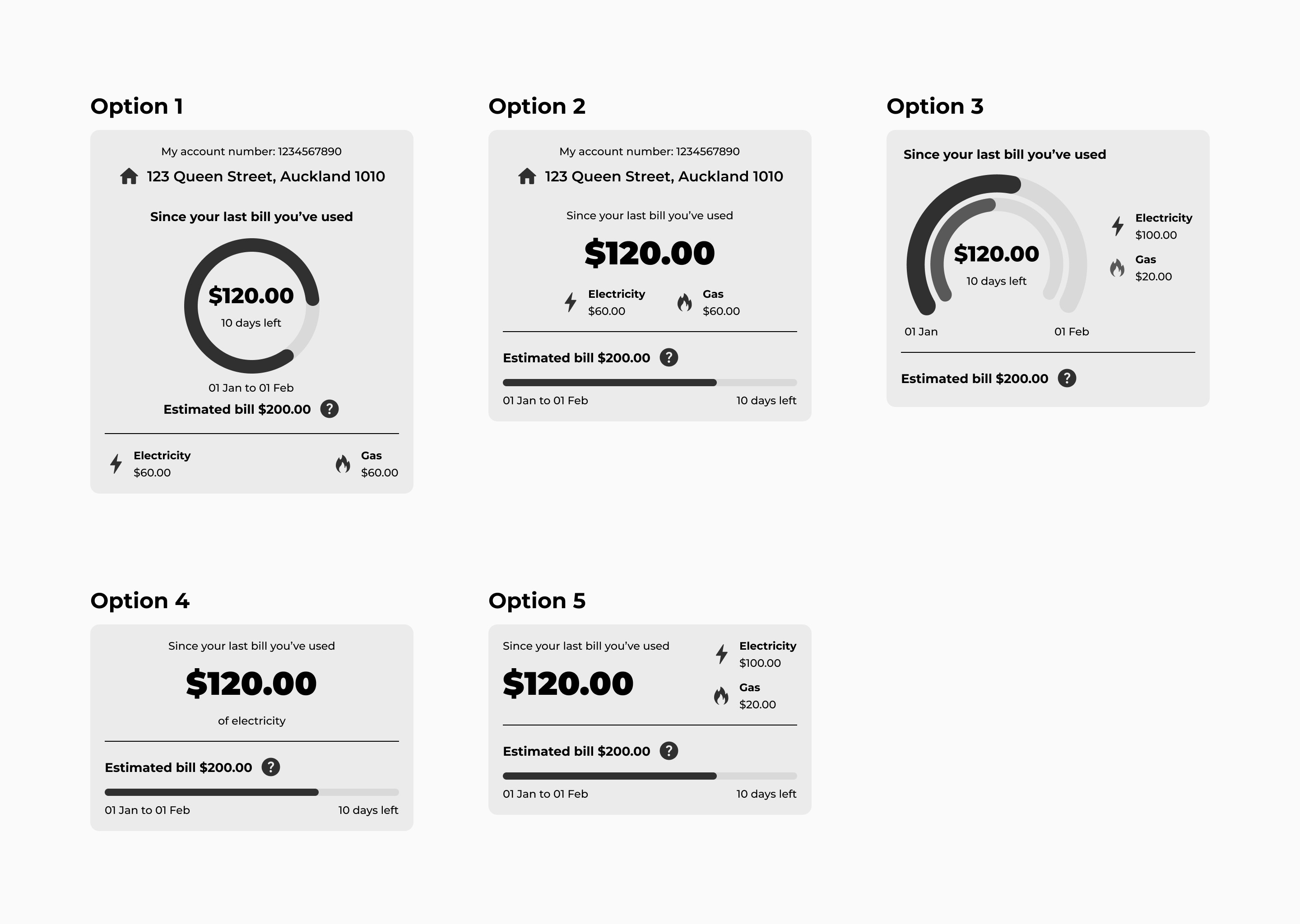
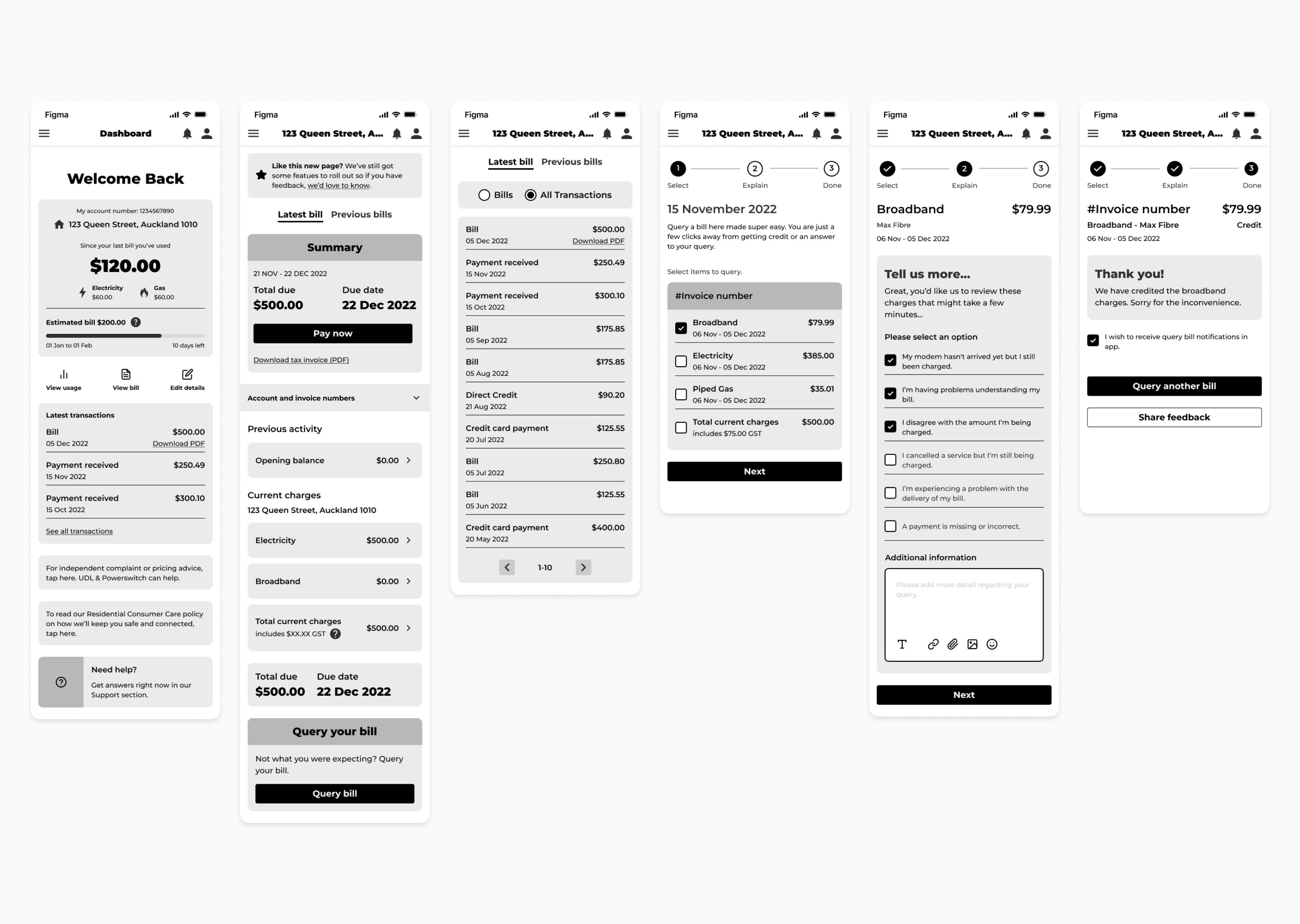
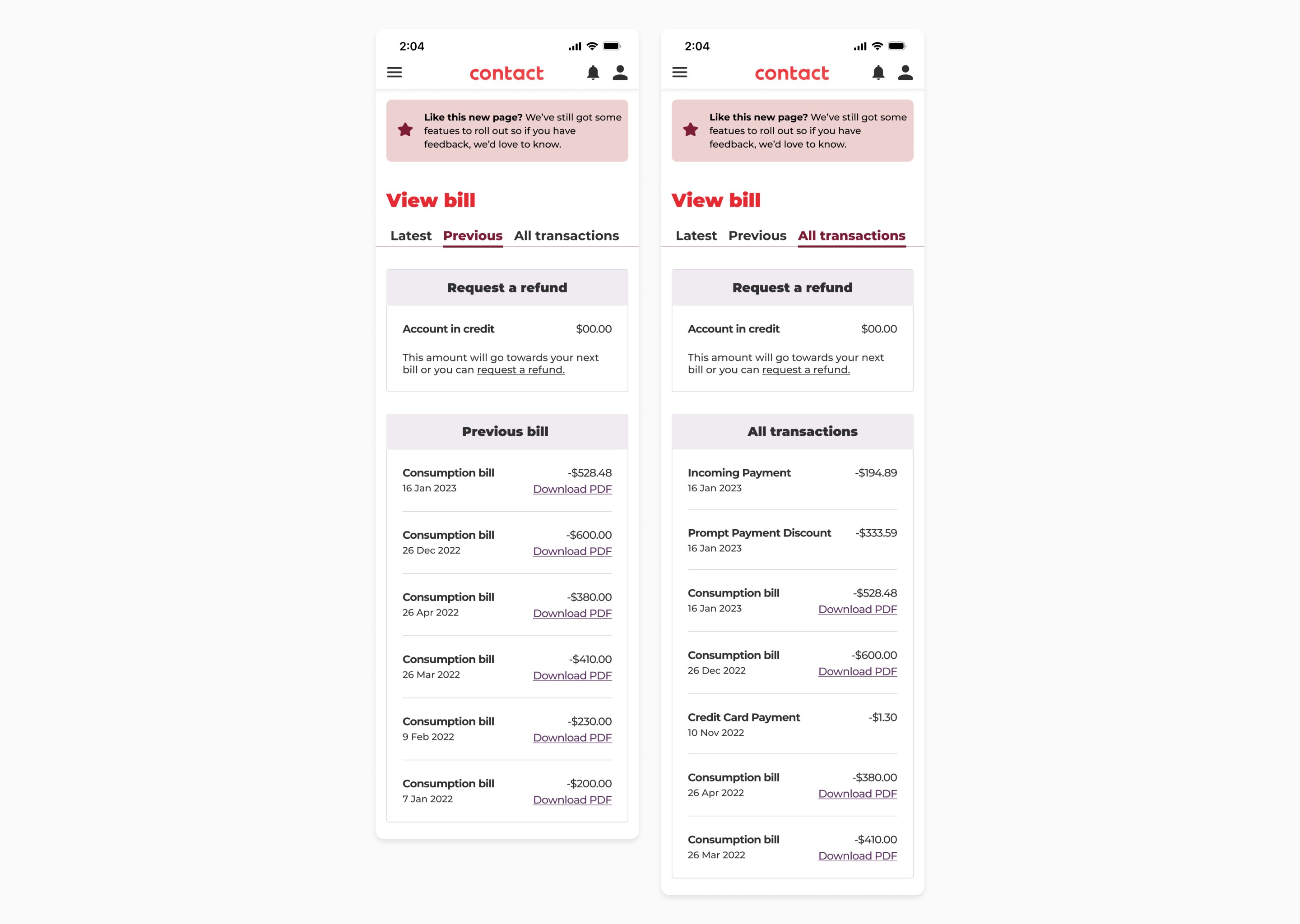
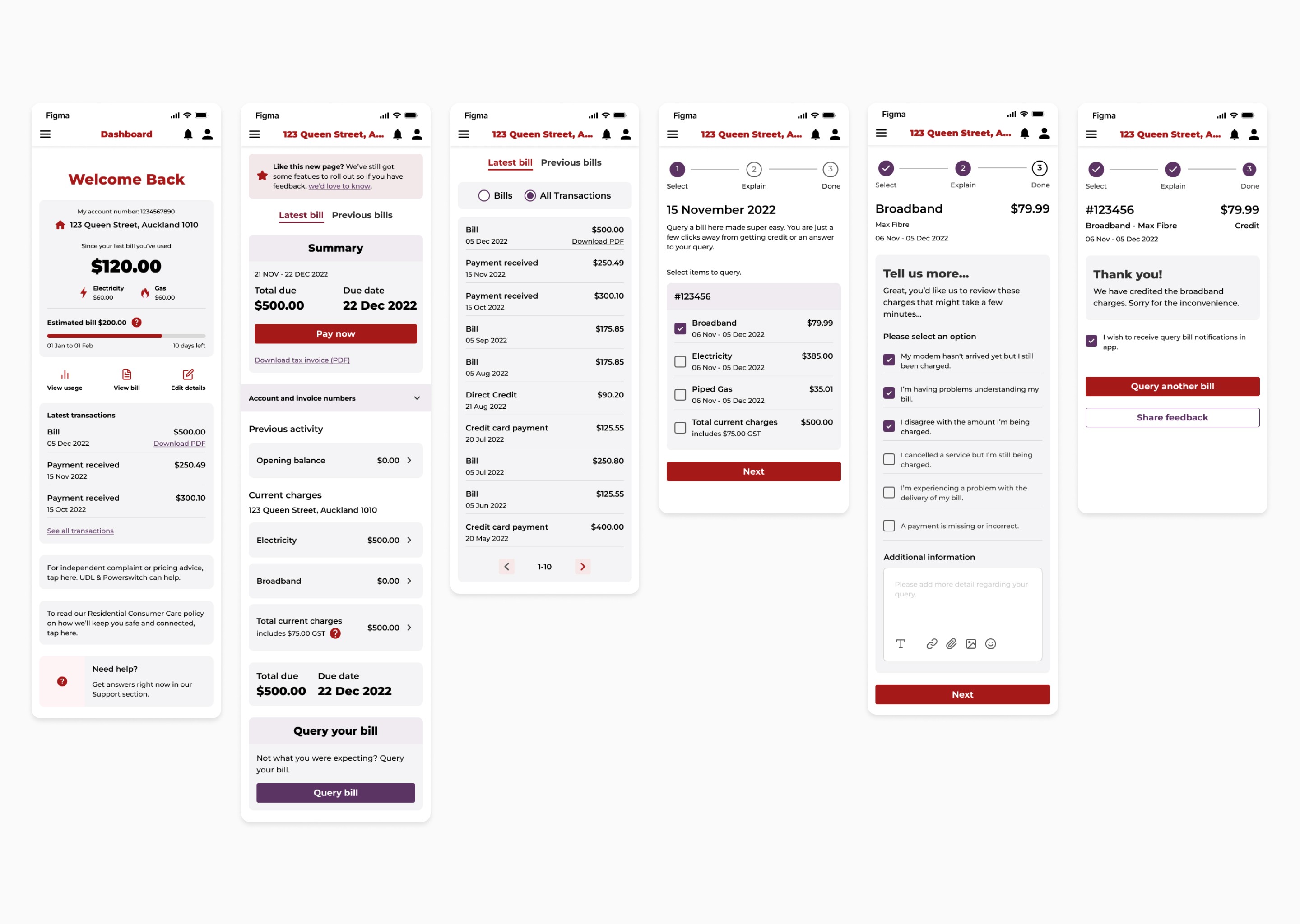
I led the design of the Bill Estimation and Bill Inquiry experiences to improve customer understanding and reduce reliance on phone support. For Bill Estimation, I delivered a mobile-first dashboard that visualises usage against estimated costs through clear progress indicators, helping customers anticipate bills before invoices are issued. In parallel, I designed an in-app Bill Inquiry flow that replaces common phone-based questions with guided self-service, using structured navigation and clear categorisation to reduce cognitive load and enable customers to access help quickly and in context.
Outcomes
Impact
The solution delivered measurable impact, including a 47% reduction in call centre handling time for basic billing queries and a 180% increase in self-service engagement, enabling customers to confidently anticipate and manage their energy bills while reducing frustration and operational costs.
Reflection & What’s Next
What I learned
This work reinforced the importance of strong cross-functional relationships and early design involvement in prioritising solutions that matter most to both users and the business, while iterative user testing ensured decisions addressed real pain points rather than assumptions; next, I see opportunities to expand bill management through features like consumption trends and alerts, and to deepen integration between self-service tools and support workflows for a more seamless assistance experience.


Reduce customer support volume by enabling self-service through the launch of Bill Estimation and Bill Inquiry features.
Company
Contact Energy
Timeline
2022
—
2023
Role
Lead UX Designer
Problem & Opportunity
The Challenge
High inbound call volume for billing inquiries, long wait times and expensive support overhead.
No intuitive way for customers to estimate upcoming bills or submit queries within the app.
Opportunity
Improve digital satisfaction and reduce phone support by enabling self-service clarity around energy usage and billing.
Leadership & Strategy
Stakeholder Alignment & Discovery
Built trust and collaboration across Product, Sales, Leadership, and Customer Support
Shifted design practice from feature delivery to problem-driven thinking focused on real customer impact.
Advocated early research and iterative testing to influence product priorities.
User-Centred Research
Conducted 20 qualitative user interviews: 10 on billing pain points and 10 on bill estimation value.
Insights revealed strong mobile usage (95% preferring the app) and reliance on spreadsheets or calls due to lack of in-app tools.
Iterative Prototyping & Testing
Worked closely with product owners and engineers to prioritise solutions.
Ran 20 usability tests including card sorting and first-click testing using Optimal Workshop.
Refined designs based on actual usage patterns and preferences.
Design System Contribution
Improved design system usage and documentation for consistency across experiences.
Partnered with engineering early to de-risk feasibility and accelerate delivery.
Key UX Solutions
Enhancements Included
I led the design of the Bill Estimation and Bill Inquiry experiences to improve customer understanding and reduce reliance on phone support. For Bill Estimation, I delivered a mobile-first dashboard that visualises usage against estimated costs through clear progress indicators, helping customers anticipate bills before invoices are issued. In parallel, I designed an in-app Bill Inquiry flow that replaces common phone-based questions with guided self-service, using structured navigation and clear categorisation to reduce cognitive load and enable customers to access help quickly and in context.
Outcomes
Impact
The solution delivered measurable impact, including a 47% reduction in call centre handling time for basic billing queries and a 180% increase in self-service engagement, enabling customers to confidently anticipate and manage their energy bills while reducing frustration and operational costs.
Reflection & What’s Next
What I learned
This work reinforced the importance of strong cross-functional relationships and early design involvement in prioritising solutions that matter most to both users and the business, while iterative user testing ensured decisions addressed real pain points rather than assumptions; next, I see opportunities to expand bill management through features like consumption trends and alerts, and to deepen integration between self-service tools and support workflows for a more seamless assistance experience.