Redesigned the Cards Hub with Digital Instant Issuance to enable faster, safer card access and reduce customer support dependency.
Company
Westpac
Timeline
2023
—
2024
Role
Lead UX Designer

Problem & Opportunity
The Challenge
Cards Hub discoverability
Card controls were buried under the More navigation and implemented as a web view
Customers needed multiple taps just to reach basic card management actions
Delayed physical cards
New customers waited up to 10 working days for a physical card
During this period, customers couldn’t shop online and were exposed to scam risks
Business Impact
High call-centre volume for card-related enquiries
Increased branch visits and frontline staff workload
Opportunity
Native the Cards Hub to improve speed, visibility, and usability
Enable digital cards (Apple Pay / Google Pay) with enhanced security so customers can transact immediately and safely
Leadership & Strategy
Stakeholder Alignment & Discovery
End-to-End Design Leadership
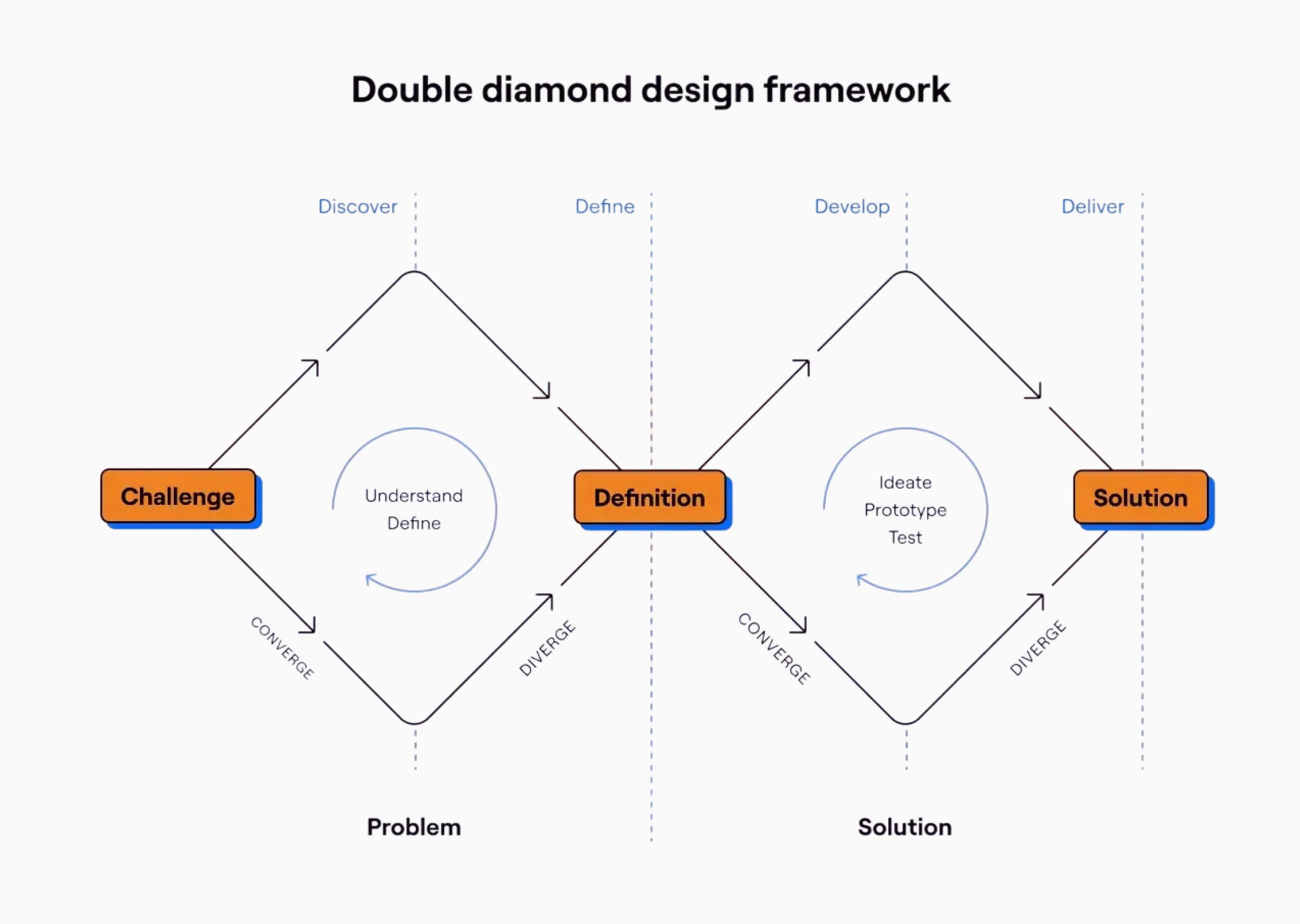
Owned the project across the Double Diamond: discovery → definition → delivery
Provided fortnightly updates to senior leadership to align on progress and trade-offs
Cross-Functional Collaboration
Partnered closely with:
Security & Architecture to validate authentication and fraud controls
Customer Support to ground decisions in real call drivers
Engineering to ensure designs were feasible within platform constraints
Design Practice & Team Enablement
Established weekly designer collaboration sessions to address mobile inconsistency
Encouraged shared critique and design-system contribution
Mentored junior designers with hands-on project ownership and feedback loops
User-Centred Research
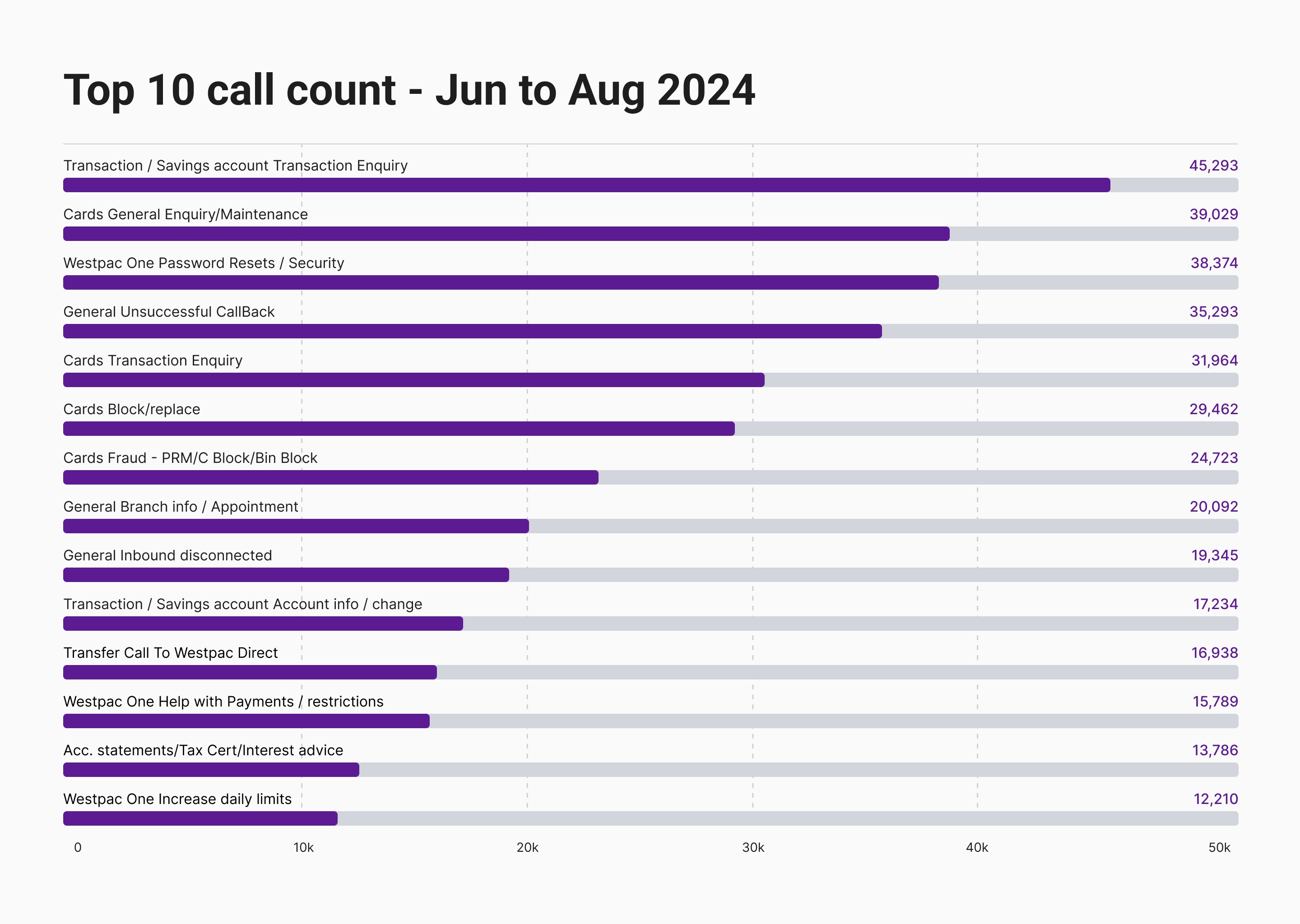
I combined quantitative analysis of top call drivers with qualitative insights from customer calls and frontline staff to identify cards as a high-impact support issue, then validated solutions through competitor analysis of leading financial products (e.g., Revolut, Monzo, Wise), uncovering proven patterns such as card-first navigation, instant digital access, and clear, secure card details.
Iterative Prototyping & Testing
Cards Hub Redesign
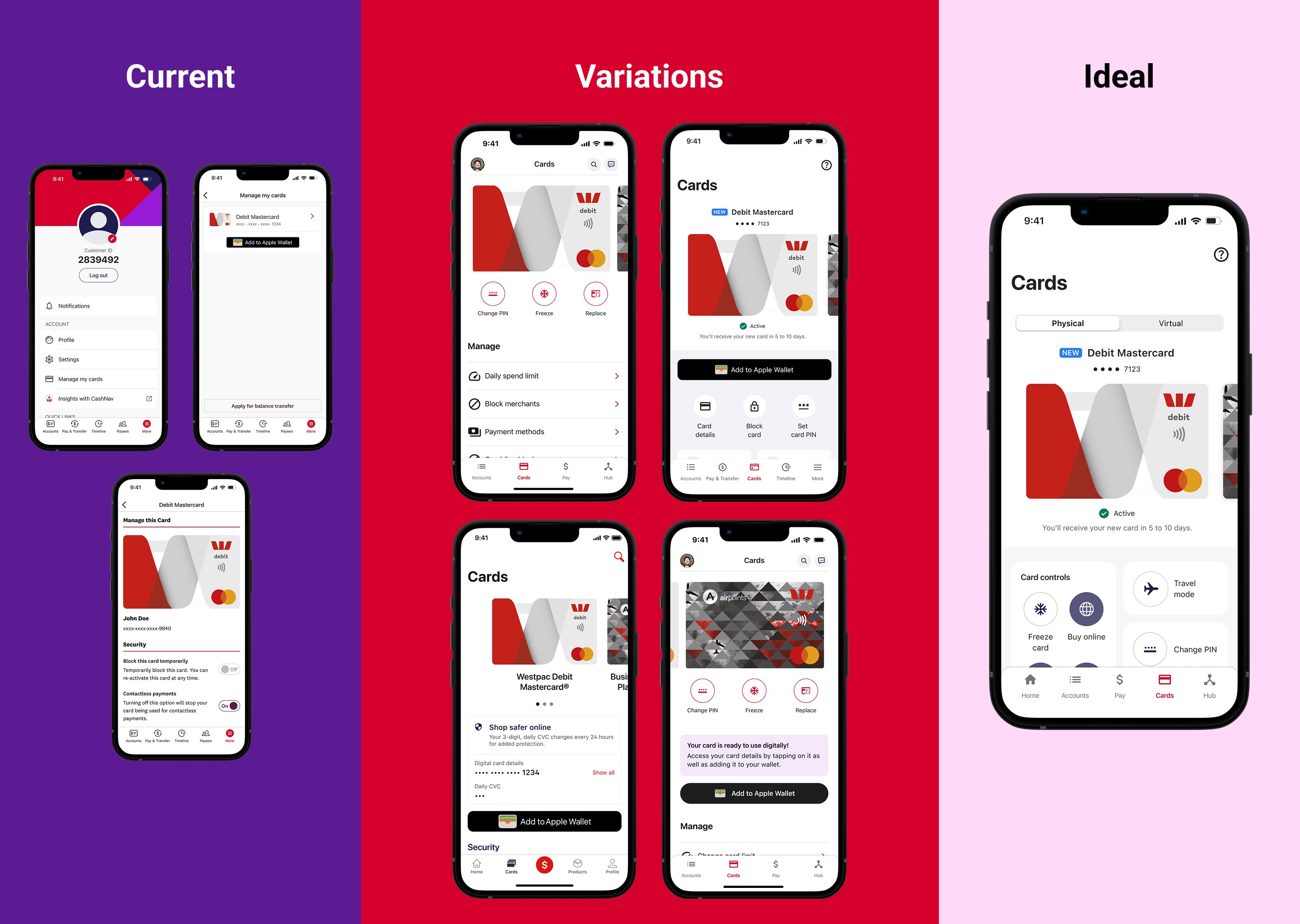
Reduced card access from 3+ taps to a single, direct entry point
Reframed the Cards Hub as a control centre, inspired by iOS Control Center and Android Device Controls
Prioritised speed, clarity, and one-handed use
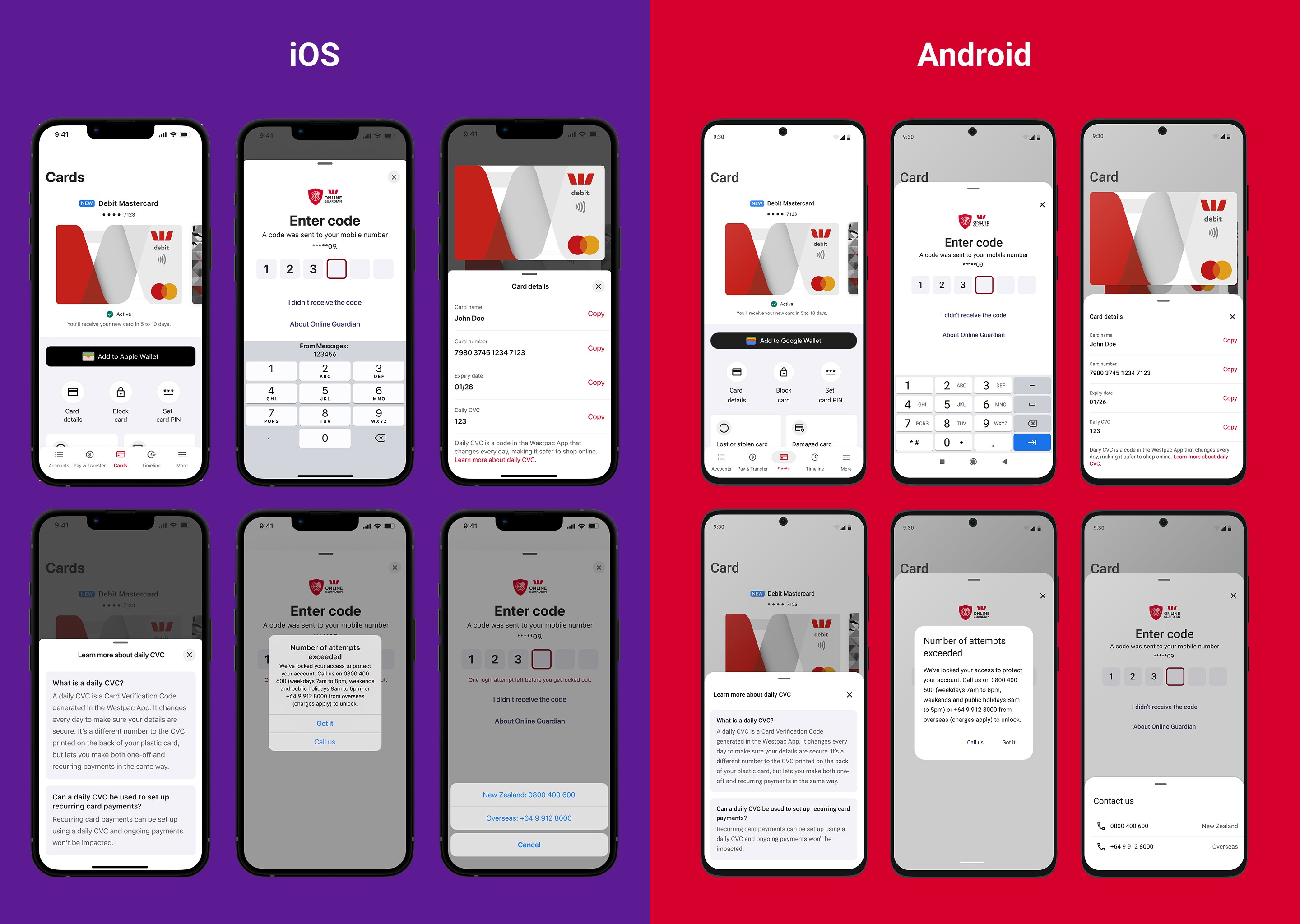
Digital Instant Issuance
Enabled customers to:
Add cards to Apple Pay / Google Pay immediately
Shop online safely before physical card arrival
Security-Driven Iteration
Ideal concept: Face ID–only access to card details
Constraint: Security team required stronger safeguards
Final solution:
Secure 6-digit in-app authentication
Daily rotating CVC (unique in NZ market), increasing fraud protection and customer confidence
Design System Contribution
Developed new UI components and standards in the RED design system to maintain consistency and scalable design practice.


Key UX Solutions
Enhancements Included
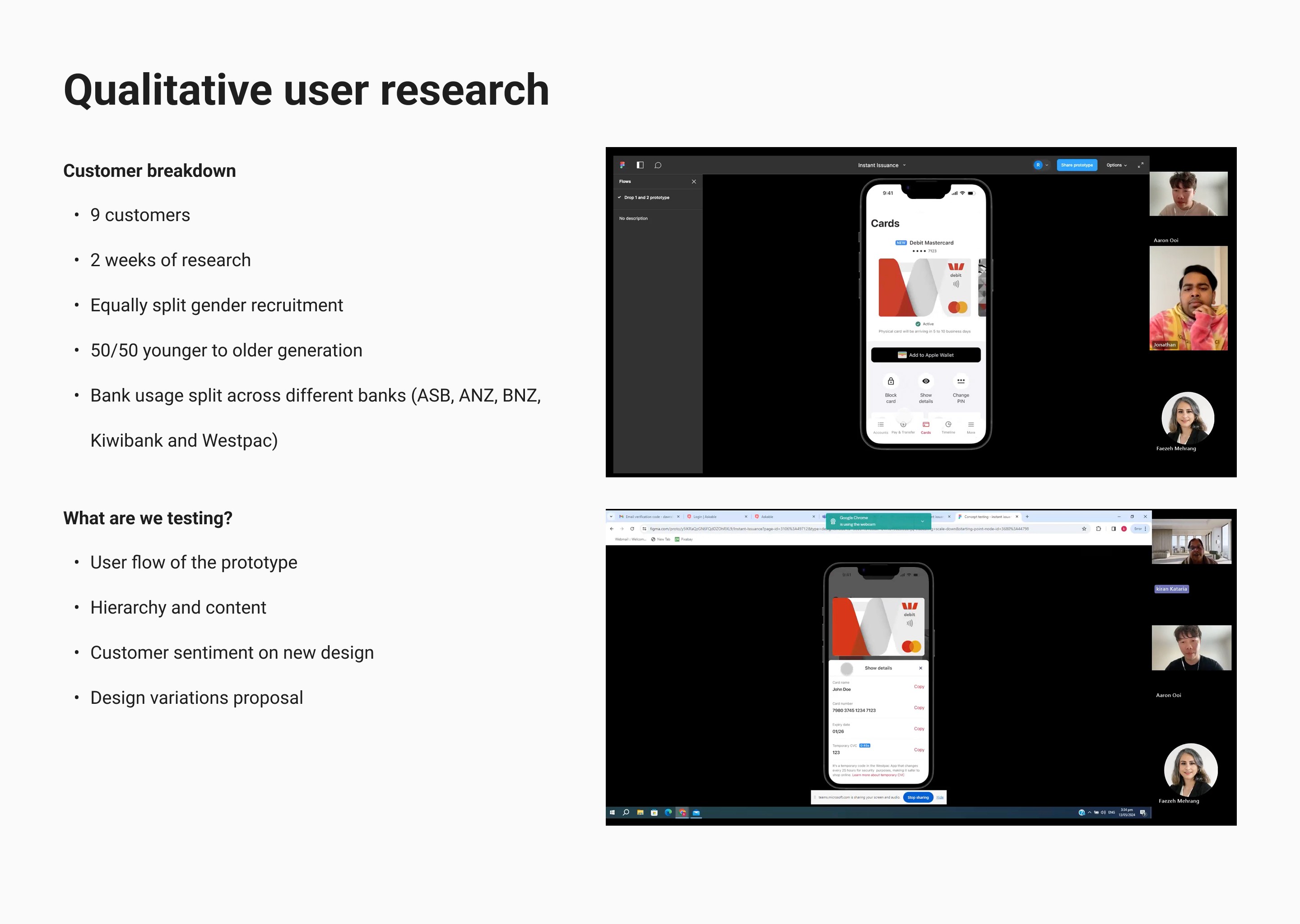
Research Setup
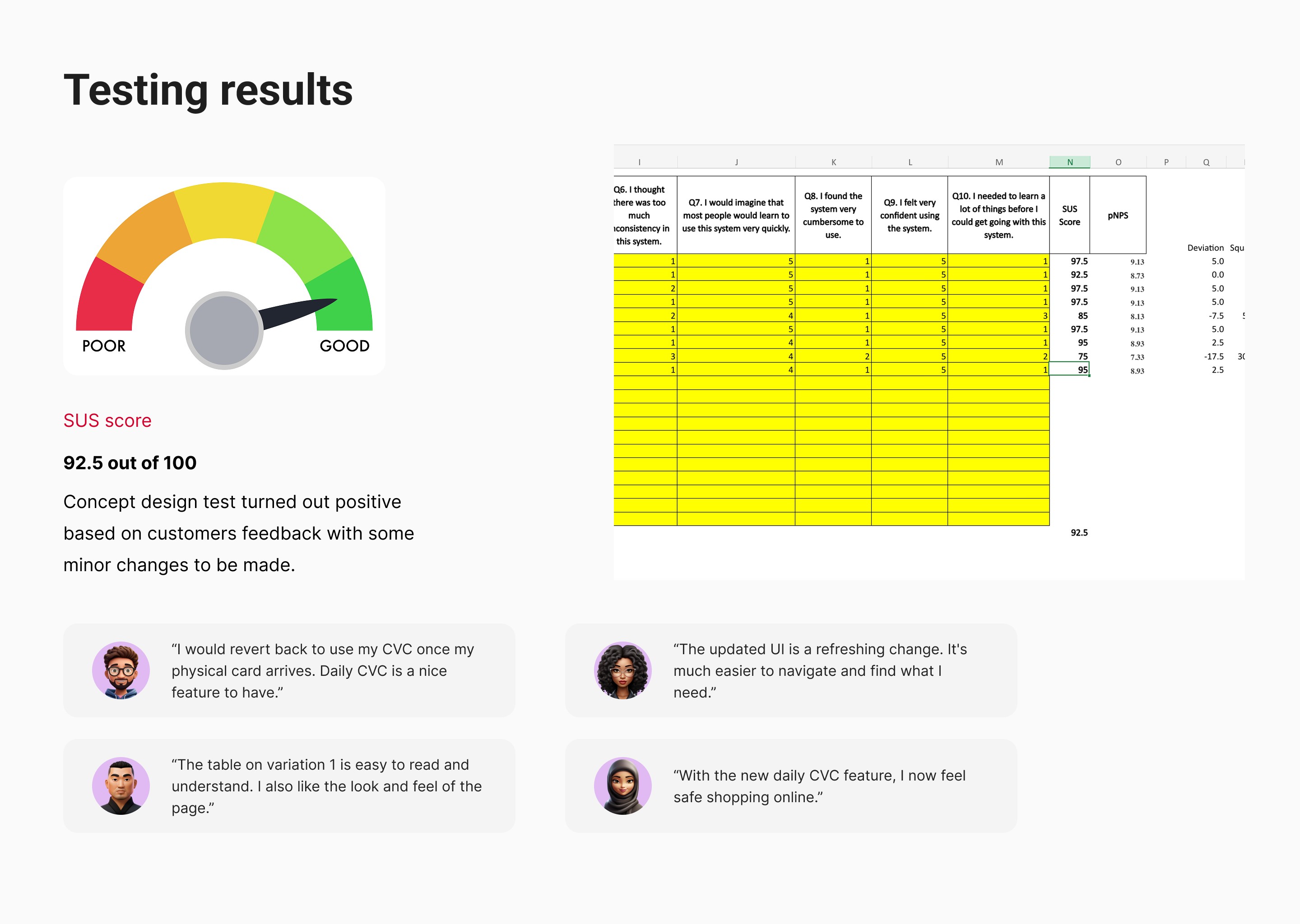
9 customers over 2 weeks
Balanced gender split, mixed age groups
Users from multiple NZ banks (ASB, ANZ, BNZ, Kiwibank, Westpac)
Results
SUS score: 92.5 / 100
Customers reported:
Increased confidence shopping online
Faster access to card controls
Strong trust in the daily CVC security model
Outcomes
Impact
Customer Impact
Customers can transact immediately after card approval
Reduced anxiety around scams and online fraud
Faster access to essential services (e.g. prescriptions)
Business Metrics (Post-Launch Measures)
Reduction in card-related contact-centre calls
Increase in digital card adoption
80% uplift target in Cards section usage via improved bottom navigation
Improved NPS and market competitiveness within NZ banking
Reflection & What’s Next
What I learned
This project showed how early collaboration with security and engineering helps avoid rework later, while using call-centre data kept design decisions focused on real customer and business needs. Clear, consistent communication with stakeholders built trust and momentum, reinforcing that constraints can actually improve design and that strong collaboration is key in regulated environments. Next, the focus is on continuing the phased rollout of Cards Hub improvements and applying digital-first patterns to other high-support customer journeys.


Redesigned the Cards Hub with Digital Instant Issuance to enable faster, safer card access and reduce customer support dependency.
Company
Westpac
Timeline
2023
—
2024
Role
Lead UX Designer
Problem & Opportunity
The Challenge
Cards Hub discoverability
Card controls were buried under the More navigation and implemented as a web view
Customers needed multiple taps just to reach basic card management actions
Delayed physical cards
New customers waited up to 10 working days for a physical card
During this period, customers couldn’t shop online and were exposed to scam risks
Business Impact
High call-centre volume for card-related enquiries
Increased branch visits and frontline staff workload
Opportunity
Native the Cards Hub to improve speed, visibility, and usability
Enable digital cards (Apple Pay / Google Pay) with enhanced security so customers can transact immediately and safely
Leadership & Strategy
Stakeholder Alignment & Discovery
End-to-End Design Leadership
Owned the project across the Double Diamond: discovery → definition → delivery
Provided fortnightly updates to senior leadership to align on progress and trade-offs
Cross-Functional Collaboration
Partnered closely with:
Security & Architecture to validate authentication and fraud controls
Customer Support to ground decisions in real call drivers
Engineering to ensure designs were feasible within platform constraints
Design Practice & Team Enablement
Established weekly designer collaboration sessions to address mobile inconsistency
Encouraged shared critique and design-system contribution
Mentored junior designers with hands-on project ownership and feedback loops
User-Centred Research
I combined quantitative analysis of top call drivers with qualitative insights from customer calls and frontline staff to identify cards as a high-impact support issue, then validated solutions through competitor analysis of leading financial products (e.g., Revolut, Monzo, Wise), uncovering proven patterns such as card-first navigation, instant digital access, and clear, secure card details.
Iterative Prototyping & Testing
Cards Hub Redesign
Reduced card access from 3+ taps to a single, direct entry point
Reframed the Cards Hub as a control centre, inspired by iOS Control Center and Android Device Controls
Prioritised speed, clarity, and one-handed use
Digital Instant Issuance
Enabled customers to:
Add cards to Apple Pay / Google Pay immediately
Shop online safely before physical card arrival
Security-Driven Iteration
Ideal concept: Face ID–only access to card details
Constraint: Security team required stronger safeguards
Final solution:
Secure 6-digit in-app authentication
Daily rotating CVC (unique in NZ market), increasing fraud protection and customer confidence
Design System Contribution
Developed new UI components and standards in the RED design system to maintain consistency and scalable design practice.
Key UX Solutions
Enhancements Included
Research Setup
9 customers over 2 weeks
Balanced gender split, mixed age groups
Users from multiple NZ banks (ASB, ANZ, BNZ, Kiwibank, Westpac)
Results
SUS score: 92.5 / 100
Customers reported:
Increased confidence shopping online
Faster access to card controls
Strong trust in the daily CVC security model
Outcomes
Impact
Customer Impact
Customers can transact immediately after card approval
Reduced anxiety around scams and online fraud
Faster access to essential services (e.g. prescriptions)
Business Metrics (Post-Launch Measures)
Reduction in card-related contact-centre calls
Increase in digital card adoption
80% uplift target in Cards section usage via improved bottom navigation
Improved NPS and market competitiveness within NZ banking
Reflection & What’s Next
What I learned
This project showed how early collaboration with security and engineering helps avoid rework later, while using call-centre data kept design decisions focused on real customer and business needs. Clear, consistent communication with stakeholders built trust and momentum, reinforcing that constraints can actually improve design and that strong collaboration is key in regulated environments. Next, the focus is on continuing the phased rollout of Cards Hub improvements and applying digital-first patterns to other high-support customer journeys.