Enhance the Westpac One app with clearer transaction details and improved search, reducing customer confusion and support friction.
Company
Westpac
Timeline
2023
—
2024
Role
Lead UX Designer

Problem & Opportunity
The Challenge
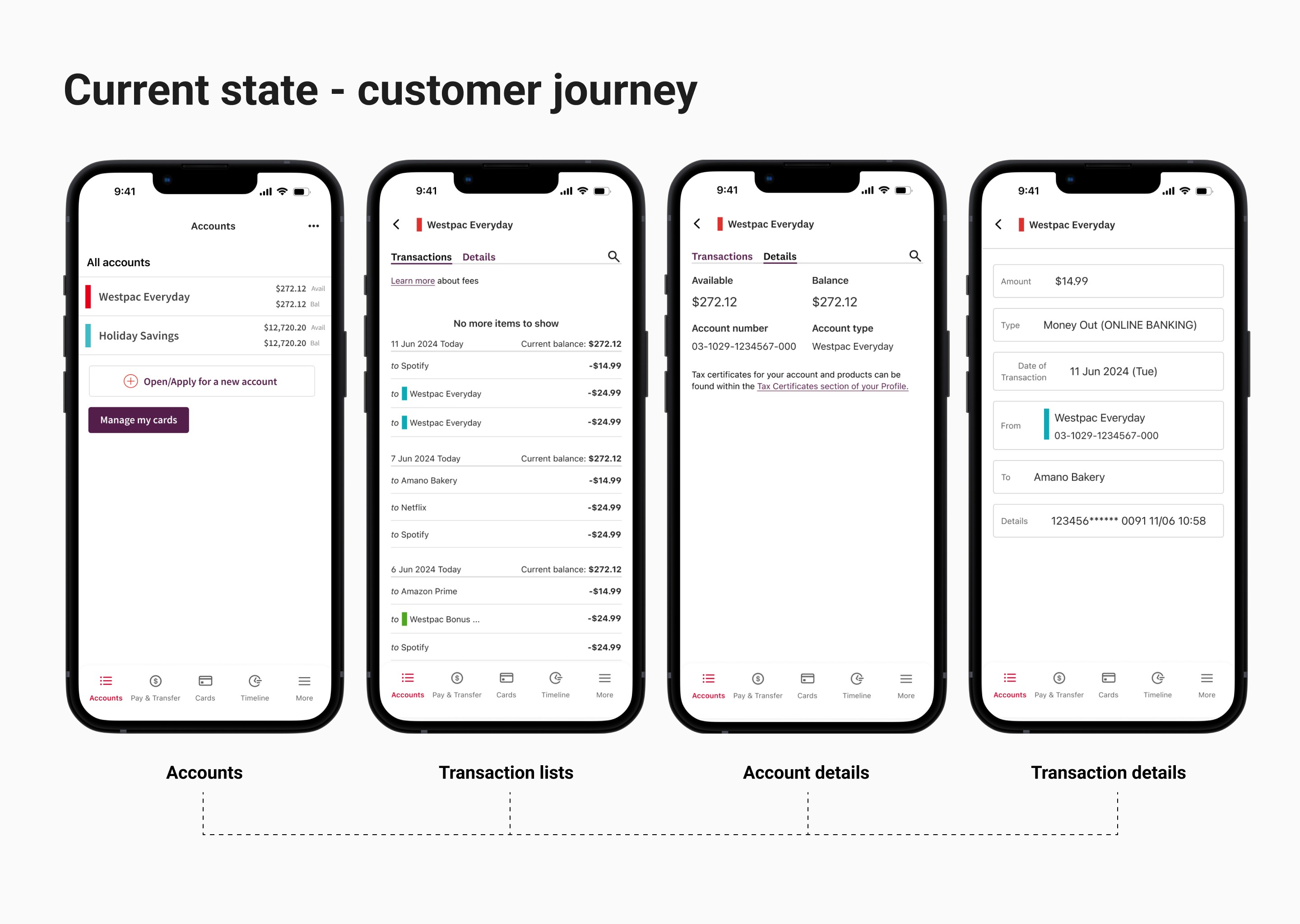
Westpac’s transaction interface lacked detailed transaction context (accurate merchant info, date/time, payment method). This confusion led to:
User uncertainty about where money went
Higher contact centre call volumes
Poor disputes experience
Opportunity
Empower users with transparent transaction details and smarter search, reducing confusion and support load.
Leadership & Strategy
Stakeholder Alignment & Discovery
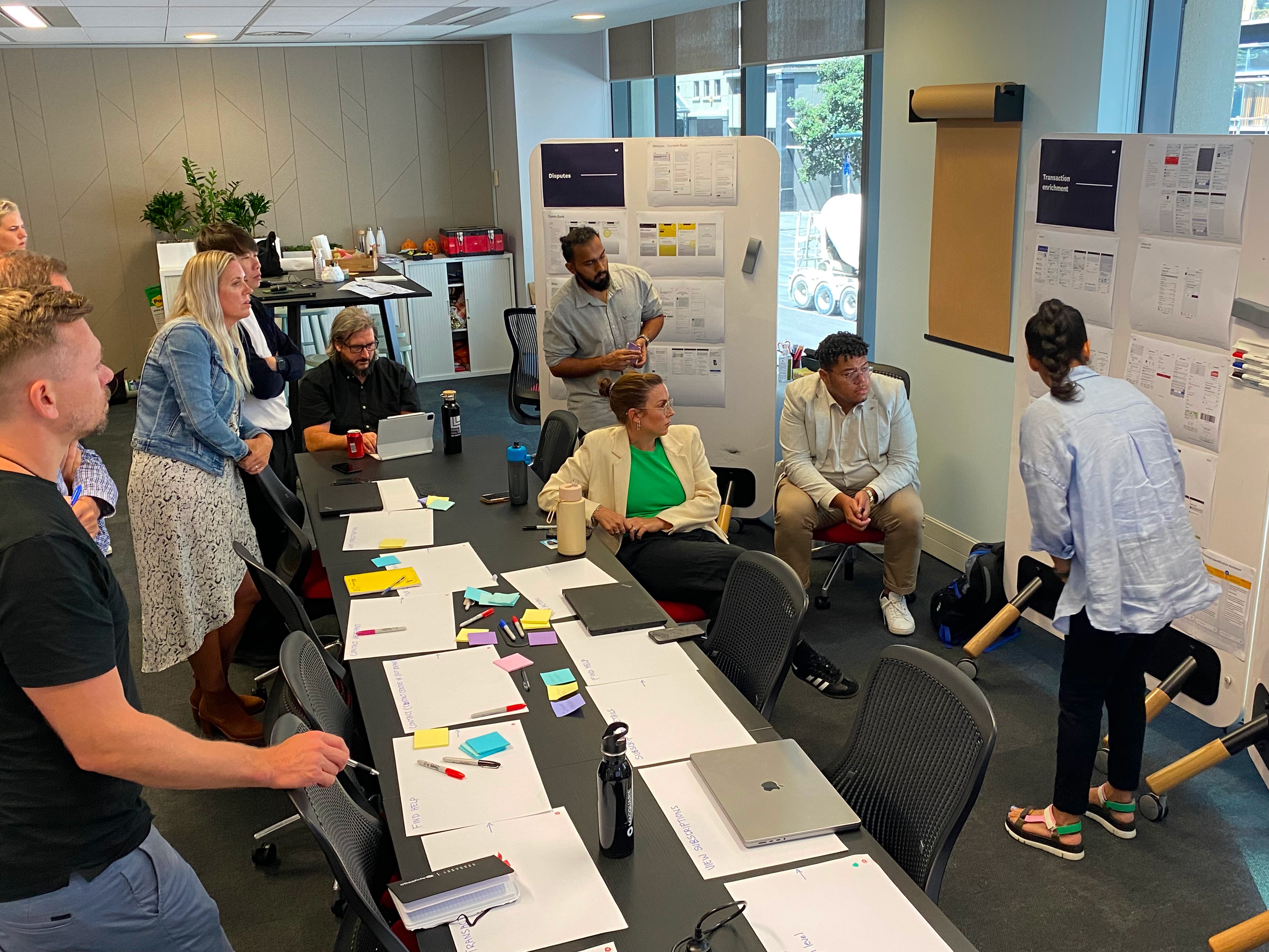
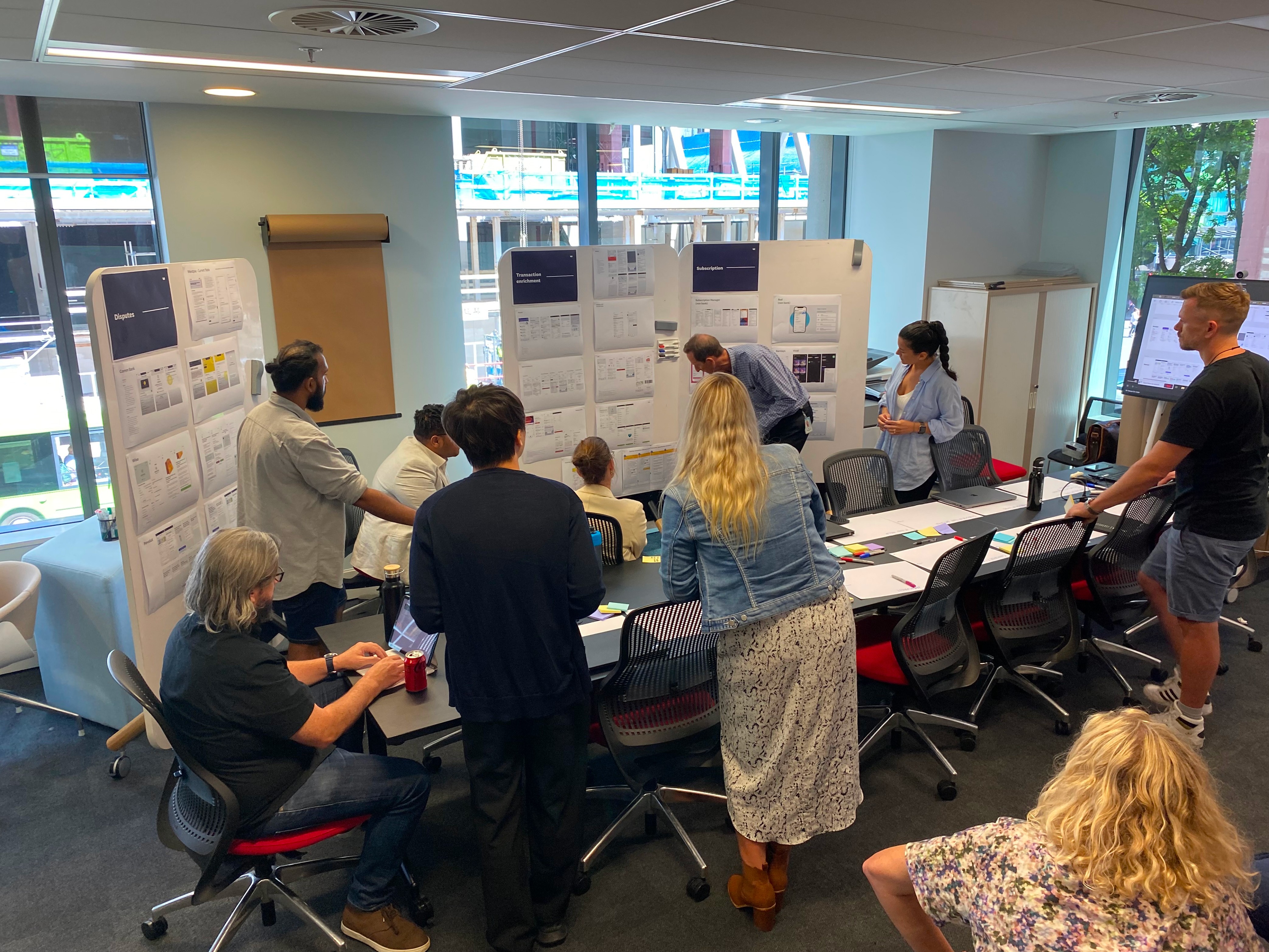
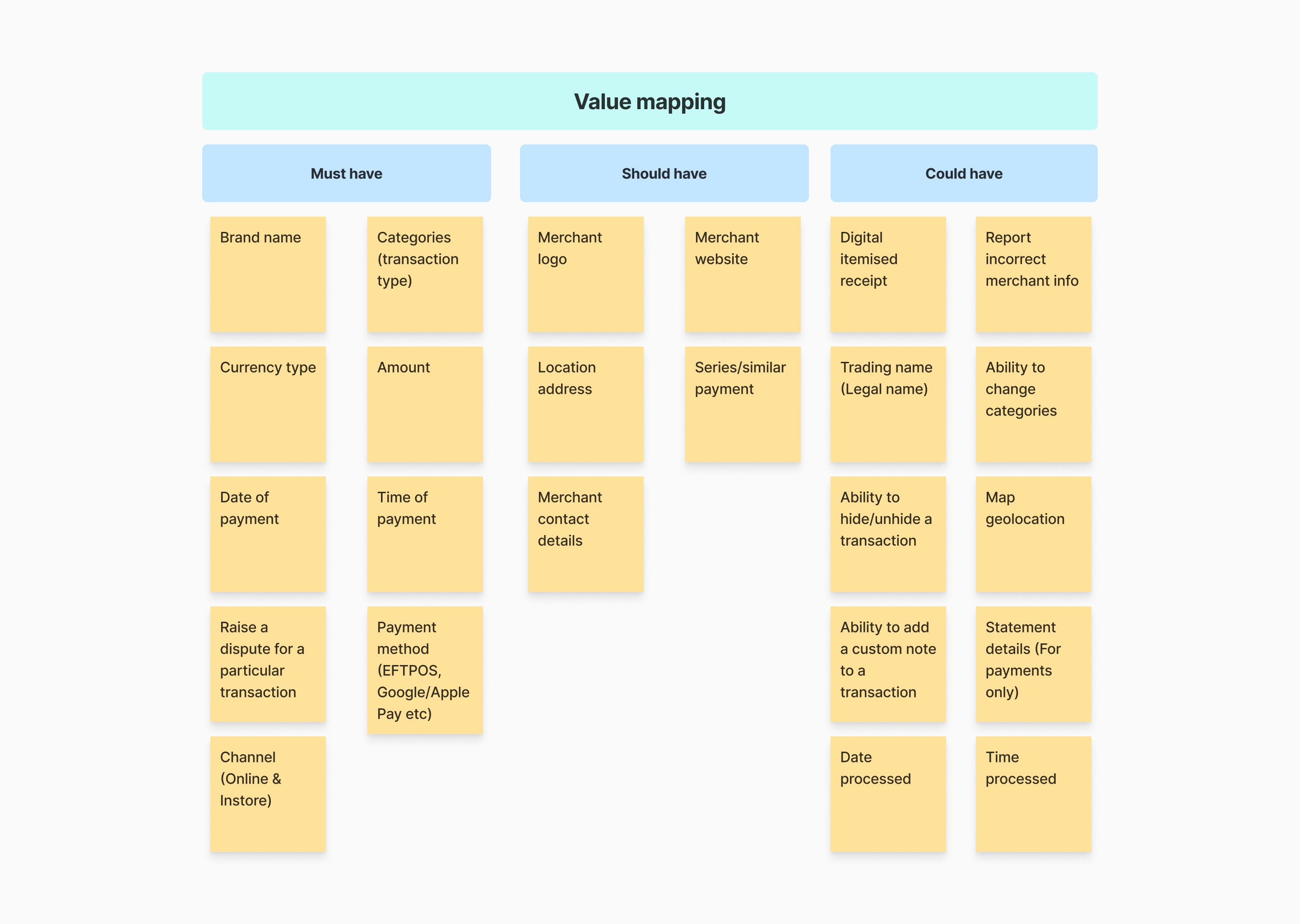
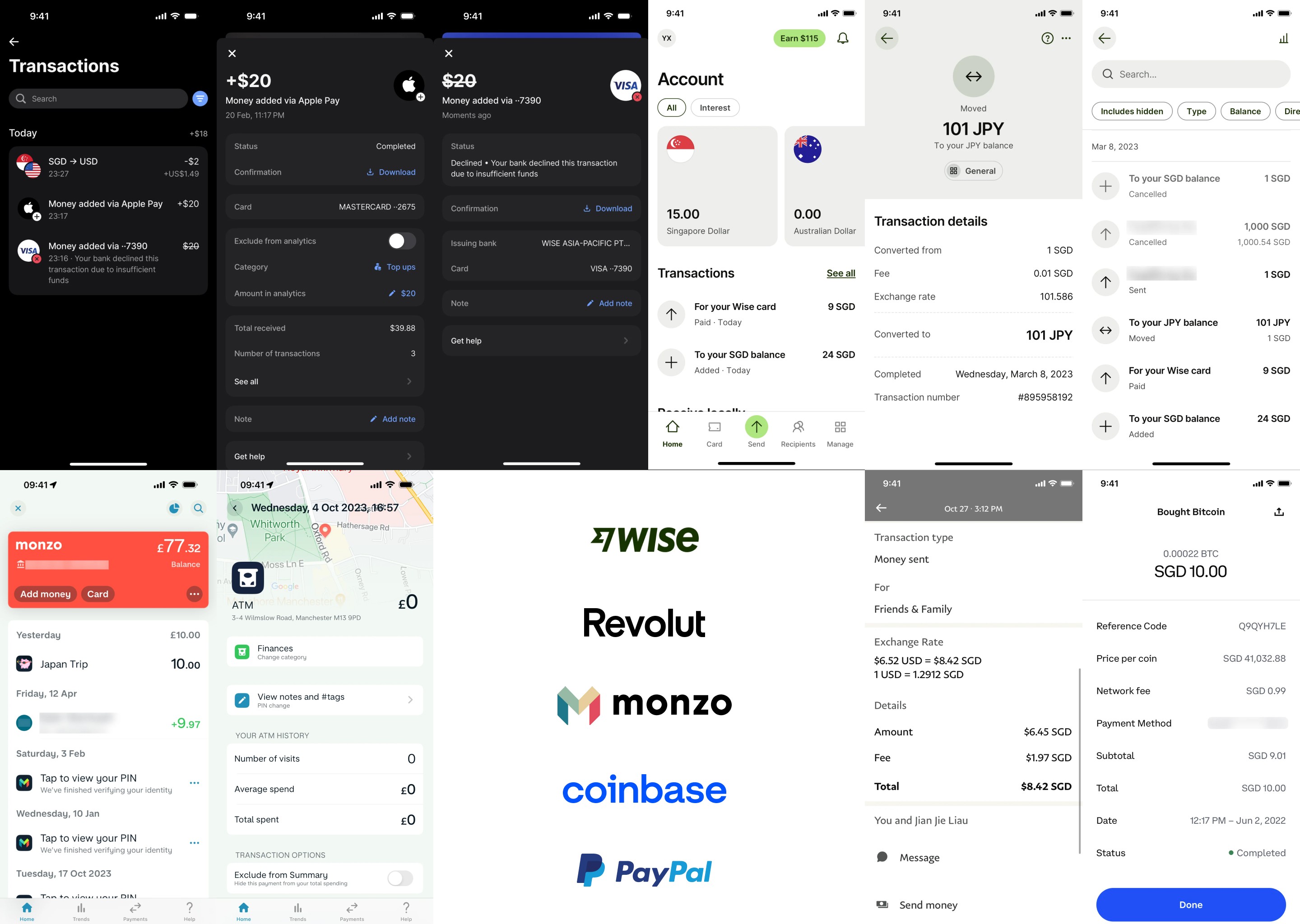
Ran competitor analysis & prioritisation workshop with frontline staff, product and business stakeholders to understand pain points and business constraints.
Gathered lived experience insights from contact centre partners to understand real support drivers.
User-Centred Research
Created user personas to encapsulate primary behavior patterns.
Led co-design workshop with designers and stakeholders to ideate solutions.
Collaborated with research to recruit participants for qualitative testing.
Iterative Prototyping & Testing
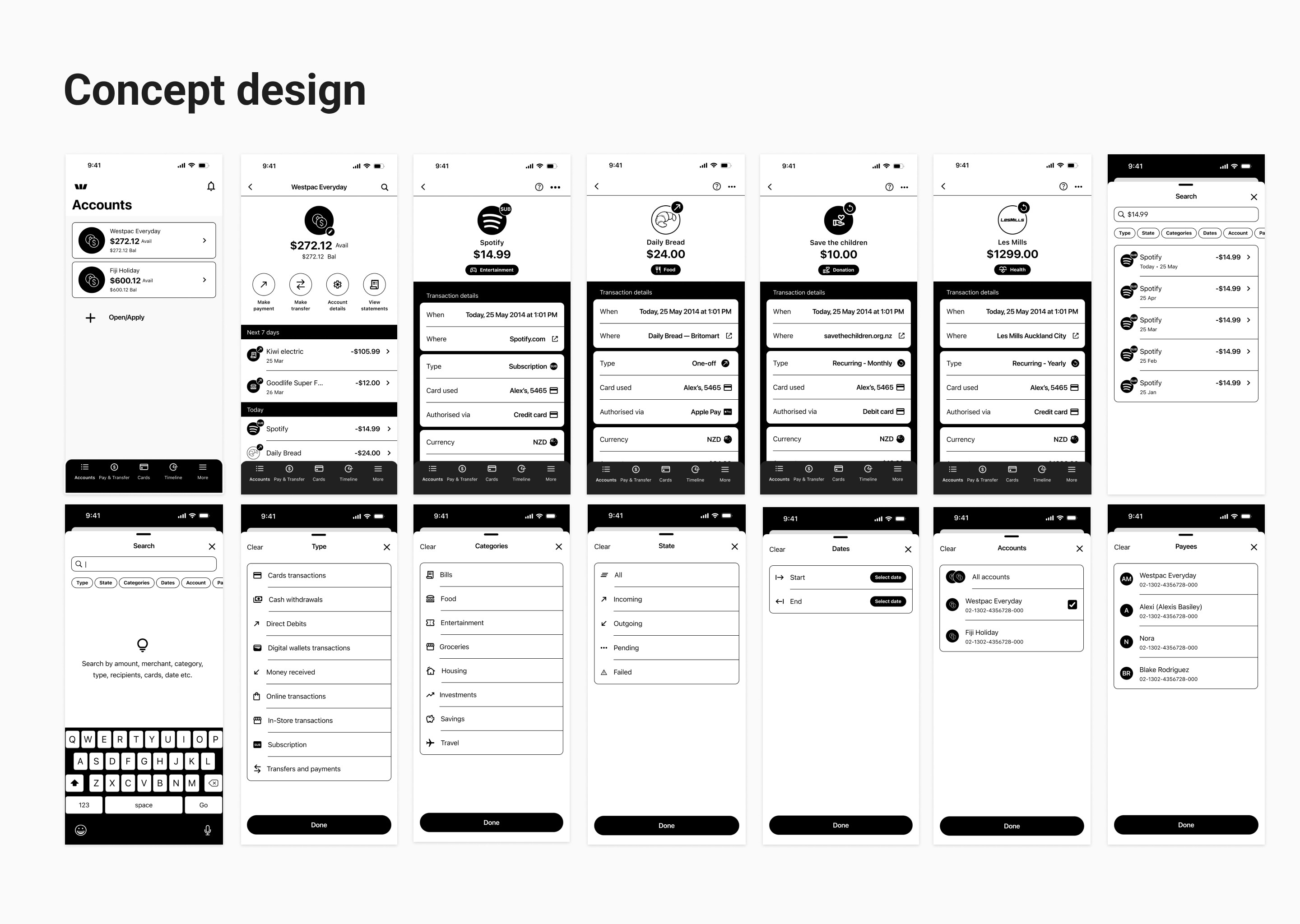
Built lo-fi concepts to test core flows.
Conducted moderated usability sessions (8 participants), achieving SUS 90.
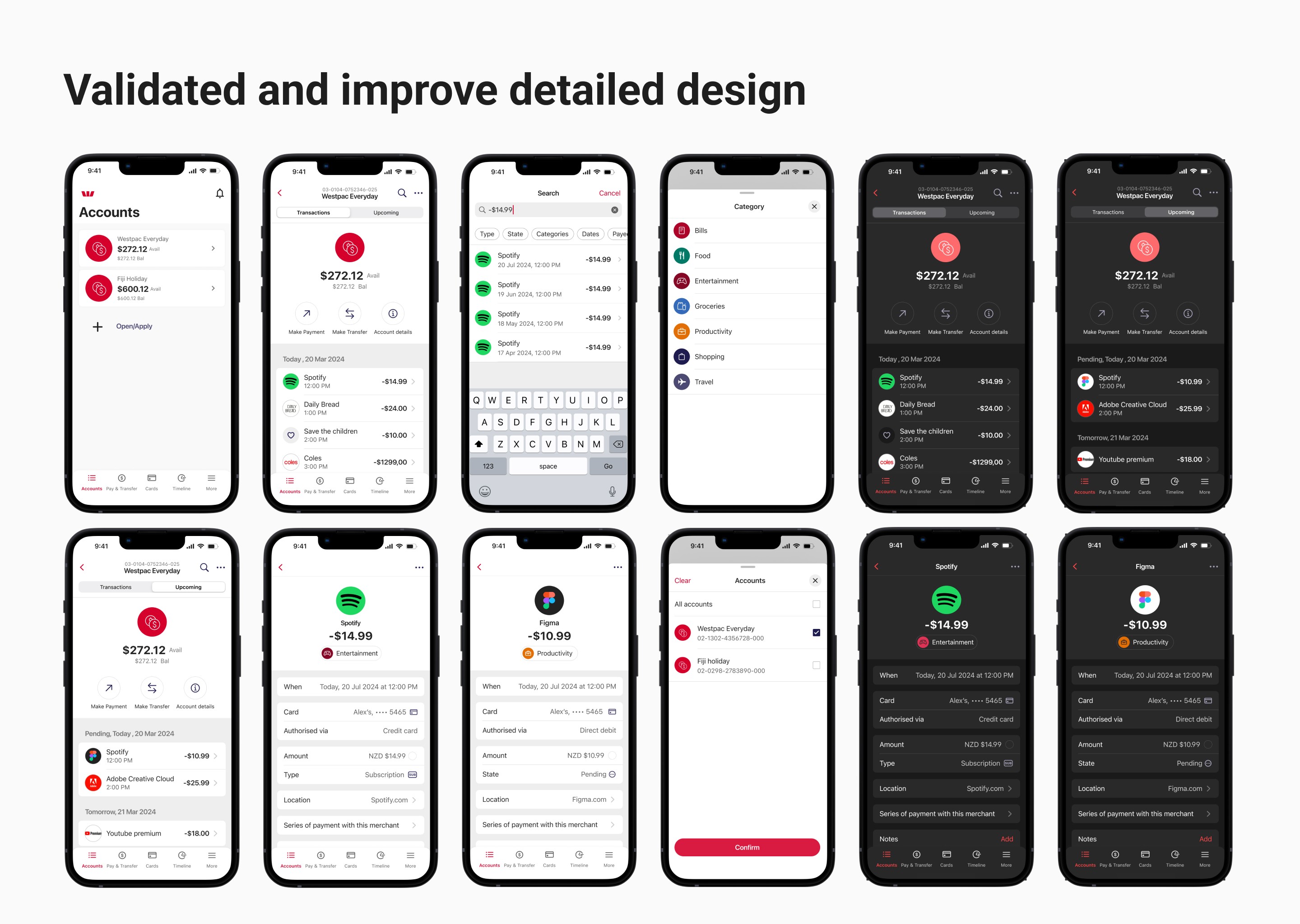
Iterated designs based on both qualitative feedback and business priorities.
Design System Contribution
Developed new UI components and standards in the RED design system to maintain consistency and scalable design practice.
Key UX Solutions
Enhancements Included
Rich transaction detail layout with accurate merchant info
Clear metadata (date, time, payment method)
Intuitive search and filtering across transaction histories
Progressive disclosure for complex financial data
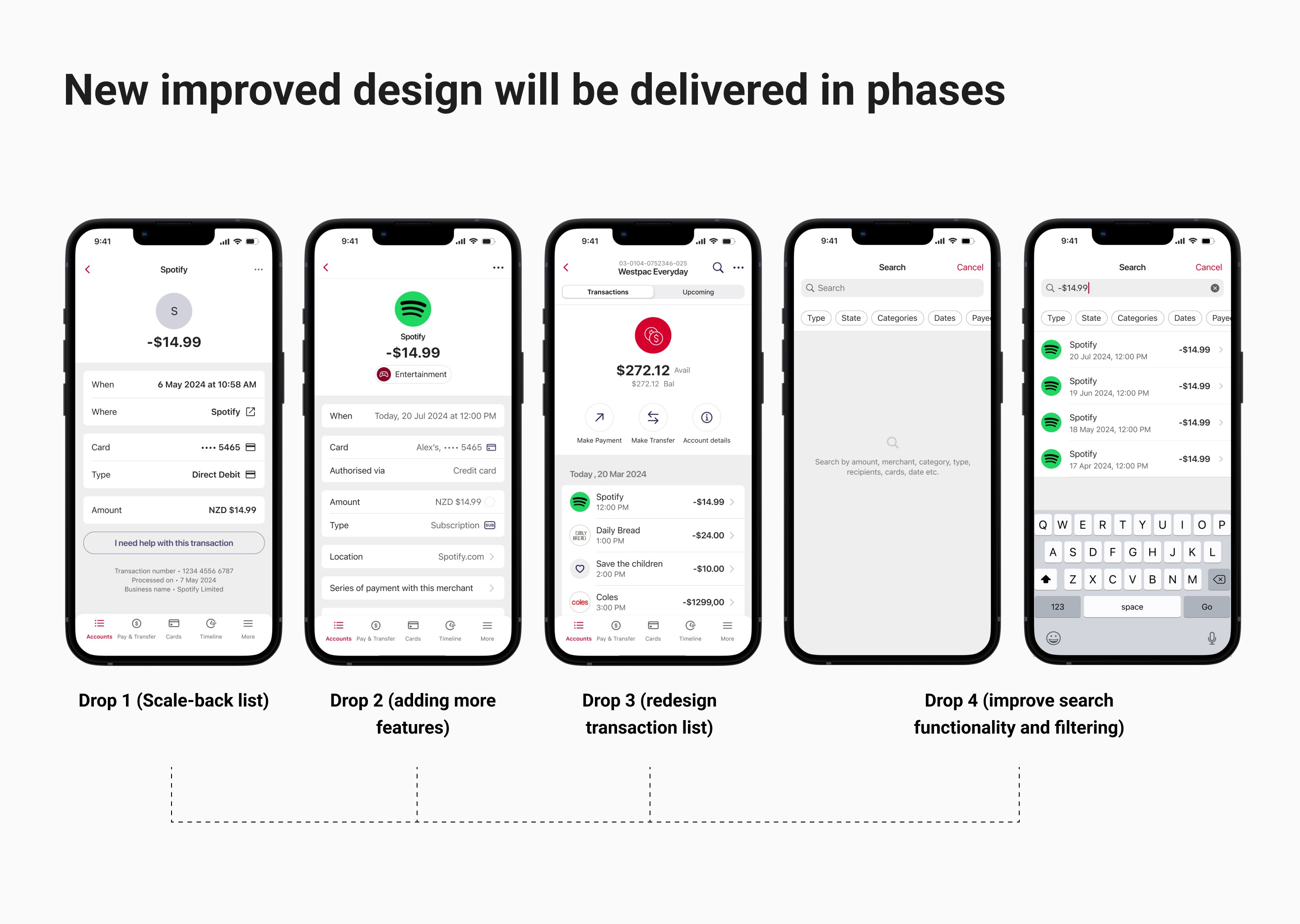
High-fidelity flows handed off to engineering with detailed specs and accessibility notes
Outcomes
Impact
The work improved user confidence and usability by reducing ‘unclear transaction’ support calls by 80%, increasing search success in usability tests, and achieving an excellent SUS score of 90, while also driving design efficiency through a phased rollout of new transaction detail and search patterns that reduced design redundancy across platforms, with further gains expected as engagement metrics (e.g. transaction detail views and search usage) increase.
Reflection & What’s Next
What I learned
I learned that deep user empathy can directly reduce support volume, and that co-designing with frontline stakeholders accelerates prioritisation and alignment; looking ahead, the next phase will focus on utilising data and insights to improve the feature while scaling these patterns across other financial product flows.


Enhance the Westpac One app with clearer transaction details and improved search, reducing customer confusion and support friction.
Company
Westpac
Timeline
2023
—
2024
Role
Lead UX Designer
Problem & Opportunity
The Challenge
Westpac’s transaction interface lacked detailed transaction context (accurate merchant info, date/time, payment method). This confusion led to:
User uncertainty about where money went
Higher contact centre call volumes
Poor disputes experience
Opportunity
Empower users with transparent transaction details and smarter search, reducing confusion and support load.
Leadership & Strategy
Stakeholder Alignment & Discovery
Ran competitor analysis & prioritisation workshop with frontline staff, product and business stakeholders to understand pain points and business constraints.
Gathered lived experience insights from contact centre partners to understand real support drivers.
User-Centred Research
Created user personas to encapsulate primary behavior patterns.
Led co-design workshop with designers and stakeholders to ideate solutions.
Collaborated with research to recruit participants for qualitative testing.
Iterative Prototyping & Testing
Built lo-fi concepts to test core flows.
Conducted moderated usability sessions (8 participants), achieving SUS 90.
Iterated designs based on both qualitative feedback and business priorities.
Design System Contribution
Developed new UI components and standards in the RED design system to maintain consistency and scalable design practice.
Key UX Solutions
Enhancements Included
Rich transaction detail layout with accurate merchant info
Clear metadata (date, time, payment method)
Intuitive search and filtering across transaction histories
Progressive disclosure for complex financial data
High-fidelity flows handed off to engineering with detailed specs and accessibility notes
Outcomes
Impact
The work improved user confidence and usability by reducing ‘unclear transaction’ support calls by 80%, increasing search success in usability tests, and achieving an excellent SUS score of 90, while also driving design efficiency through a phased rollout of new transaction detail and search patterns that reduced design redundancy across platforms, with further gains expected as engagement metrics (e.g. transaction detail views and search usage) increase.
Reflection & What’s Next
What I learned
I learned that deep user empathy can directly reduce support volume, and that co-designing with frontline stakeholders accelerates prioritisation and alignment; looking ahead, the next phase will focus on utilising data and insights to improve the feature while scaling these patterns across other financial product flows.